
Sport used to be simple. You bought a team because you loved the game, had a bit of money, and didn’t mind losing both.
That version of sport still exists, but it’s no longer the dominant one. Today, sport looks increasingly like a private equity strategy.
Firms like CVC Capital Partners have been quietly building positions across multiple leagues, from rugby to Spanish football. At the same time, entire competitions are being restructured to maximise commercial returns, often with institutional capital sitting behind the scenes.
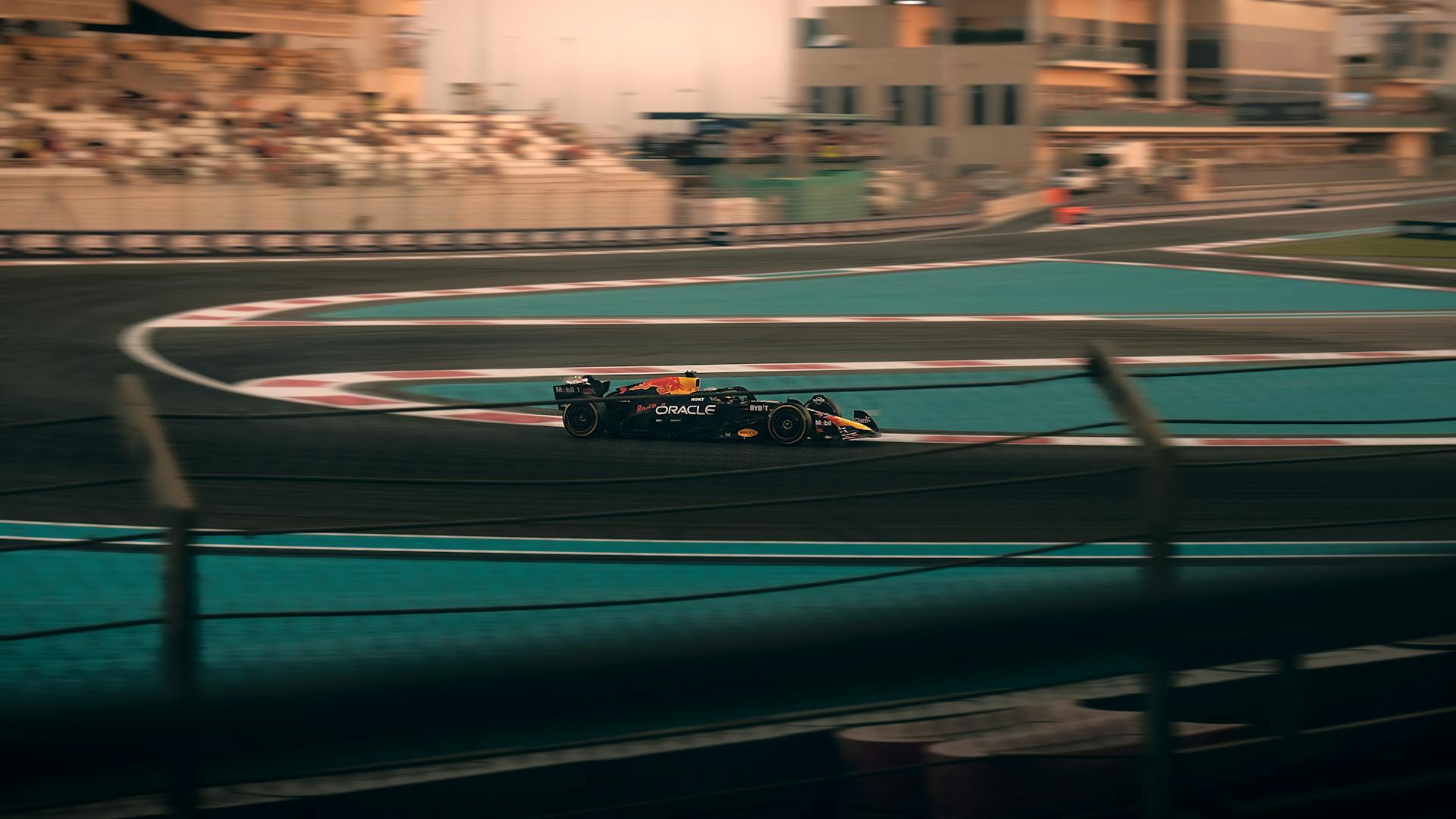
Even Formula 1, once a niche obsession, has been transformed under Liberty Media into a highly monetised global entertainment product.
This isn’t accidental. It’s financialisation and commercialisation.
The playbook is familiar. Take a fragmented or under-optimised asset, professionalise it, centralise revenues, and scale the distribution. The end result is something that looks less like sport and more like a platform. And platforms are where the money is.
Why Broadcasting Rights Changed Everything
Broadcasting rights, in particular, have become the engine of this transformation. Live sport remains one of the few forms of content that people still watch in real time, which makes it incredibly valuable to advertisers and streaming platforms alike. Scarcity does the rest.
There are only so many top-tier leagues, and only so many teams within them. As demand for live content increases, those assets become more valuable almost by default. It’s basic economics, just applied to entertainment.
From Passion Projects to Portfolio Allocations
What’s changed is who’s doing the buying.
Instead of wealthy individuals treating clubs as passion projects, you now have institutional investors treating them as portfolio allocations. The language has shifted accordingly, from trophies and tradition to yield, growth, and exit multiples.
And you can see it in real time.
Case Studies in Value Creation
Take Patrice Motsepe and Mamelodi Sundowns. On the surface, Sundowns doesn’t scream “private equity trade”. The revenues aren’t global, and the liquidity isn’t obvious. But look deeper, and the same principles apply: professionalisation, dominance, brand building, and – more importantly – optionality if African football continues to commercialise. It may not be priced daily, but the asset quality has clearly compounded.
Then you have a far more textbook case.
Marc Lasry bought the Milwaukee Bucks in 2014 for around $550 million. Less than a decade later, after building a competitive team, benefiting from surging NBA media rights, and, crucially, winning a championship in 2021, he exited at a valuation north of $3 billion.
That’s not fandom. That’s execution.
Buy well. Improve the asset. Let structural tailwinds, media rights, scarcity, and global demand do the heavy lifting. Then sell into strength.
It’s the same playbook you’d apply to any high-quality private asset. Sport just happens to come with a scoreboard.
Even at the top end, the shift is clear. Leagues are being packaged, rights are being centralised, and investors are underwriting long-term growth in global audiences. The product may look emotional on the surface, but underneath, it’s increasingly rational.
The Risk of Over-Financialisation
For fans, this creates a slightly uncomfortable reality. Your club is no longer just a club – it’s an asset on someone’s balance sheet.
But from an investment perspective, it’s hard not to see the appeal. You have global demand, limited supply, recurring revenues, and strong pricing power. In other words, all the ingredients of a very attractive asset class.
The risk, as always, is over-financialisation. Push too hard on monetisation, and you risk eroding the very thing that makes sport valuable in the first place – the emotional connection.
So far, the balance has held.
But make no mistake: the next time your team signs a new broadcasting deal or launches another commercial partnership, it’s not just about growing the game. It’s about growing the return.