


Nkwo Onwuka has spent close to two decades shaping one of the most thoughtful voices in African fashion. She launched her first label in the UK in 2007, before returning to Nigeria in 2012 and re-establishing NKWO between Lagos and Abuja with a clearer sense of purpose.
Her work grew from instinct rather than ambition: a commitment to protecting people, land, and memory through small-batch production, low-impact processes, and the creative reuse of existing materials.
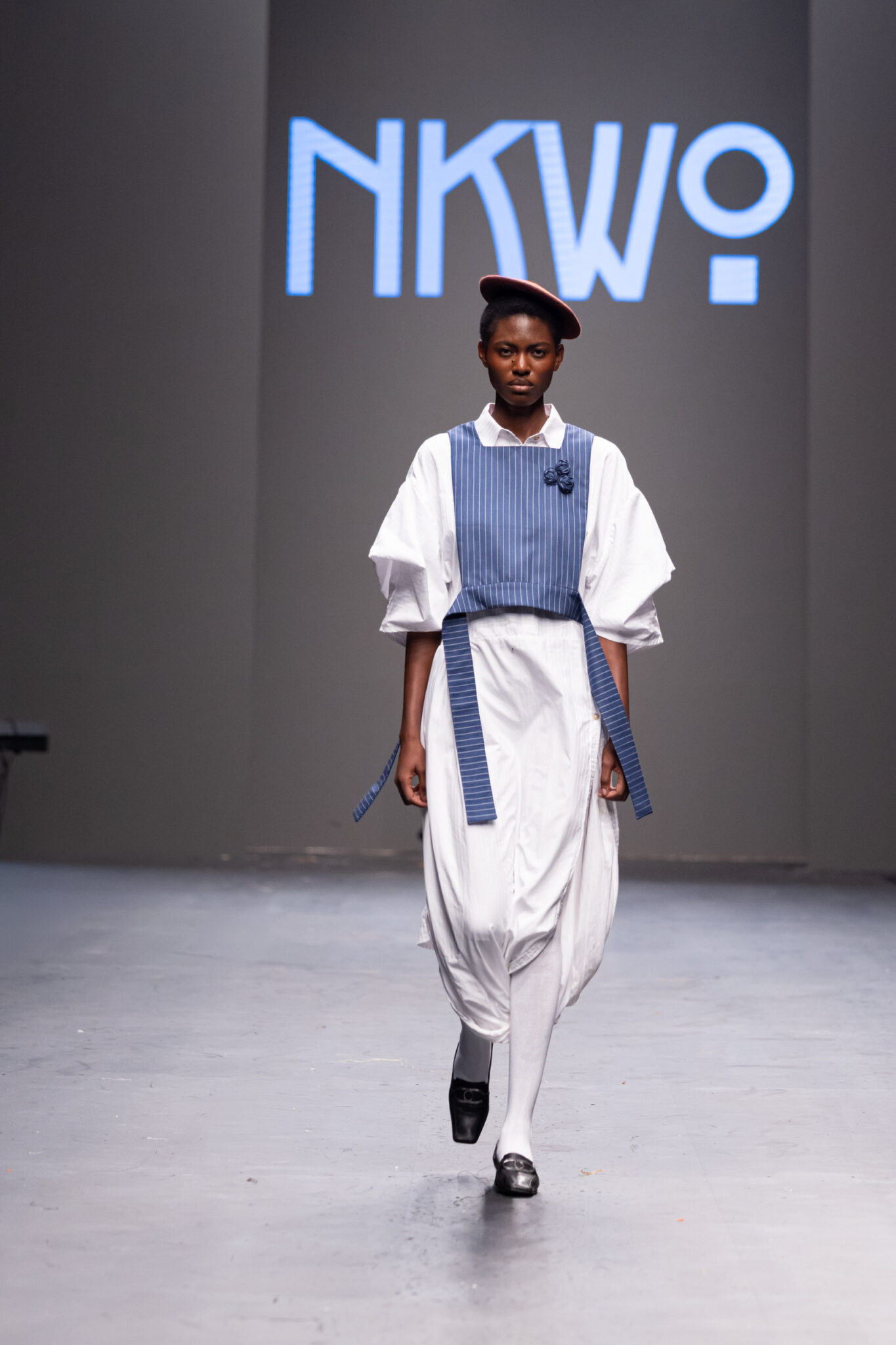
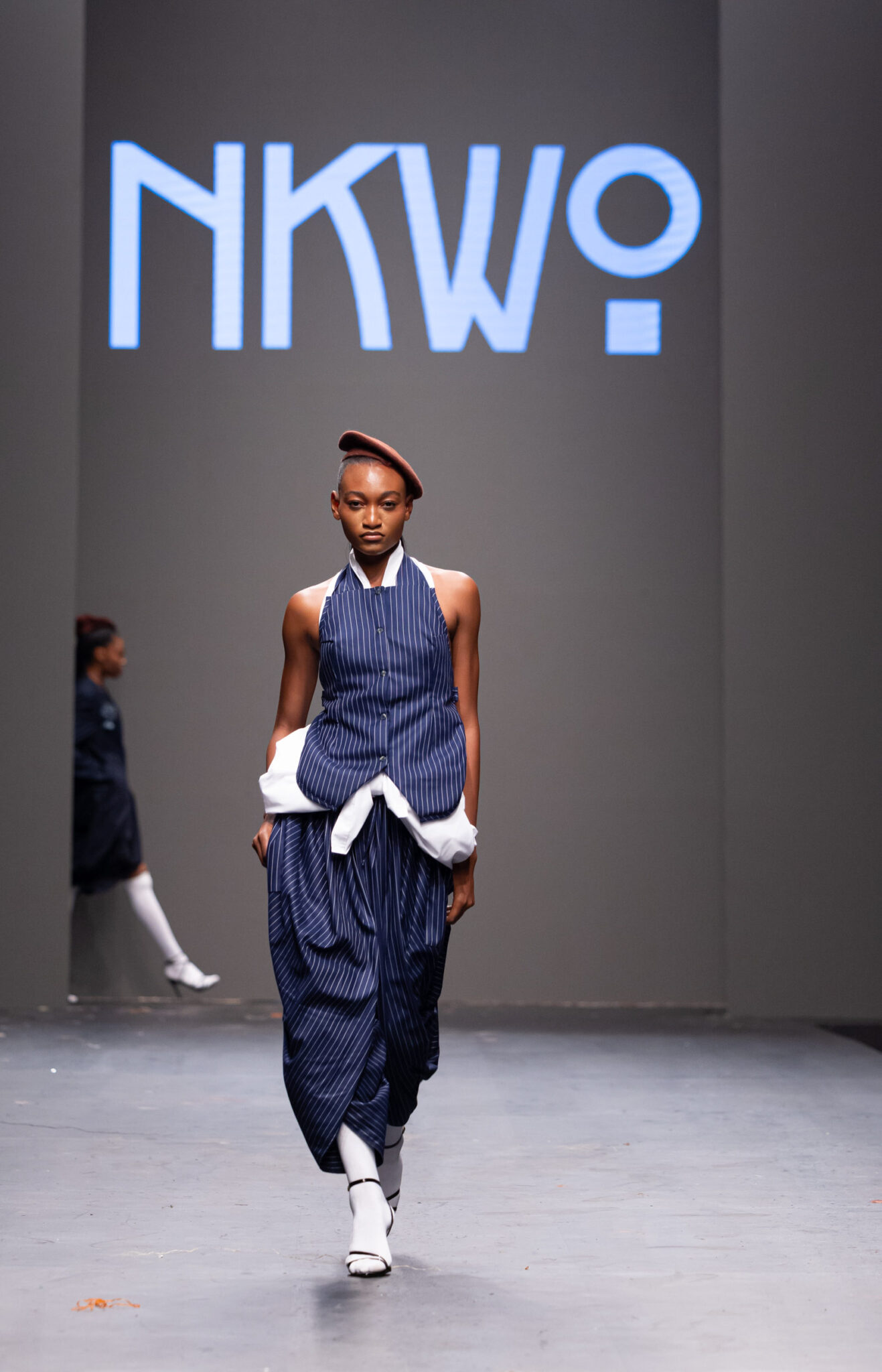
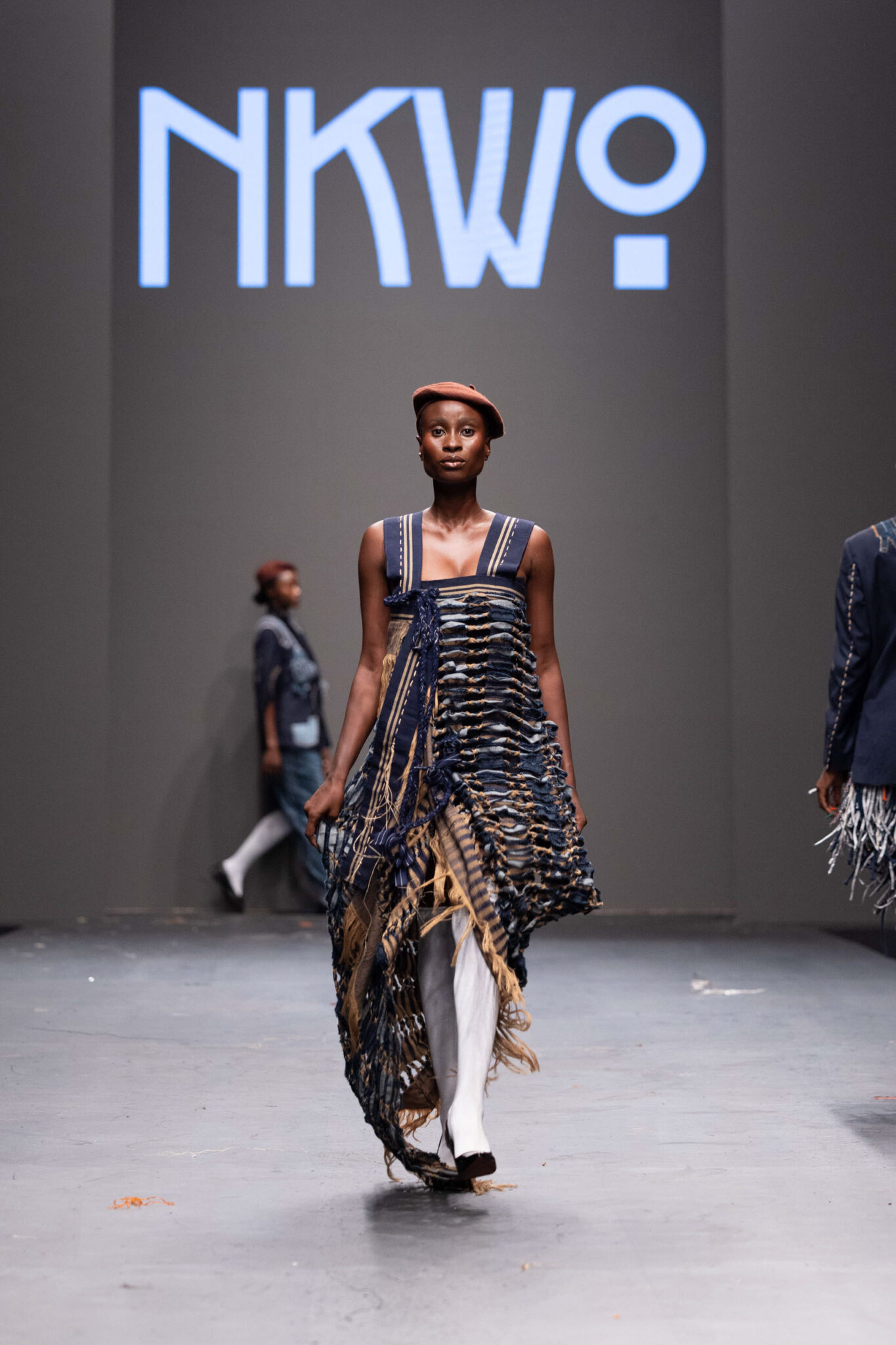
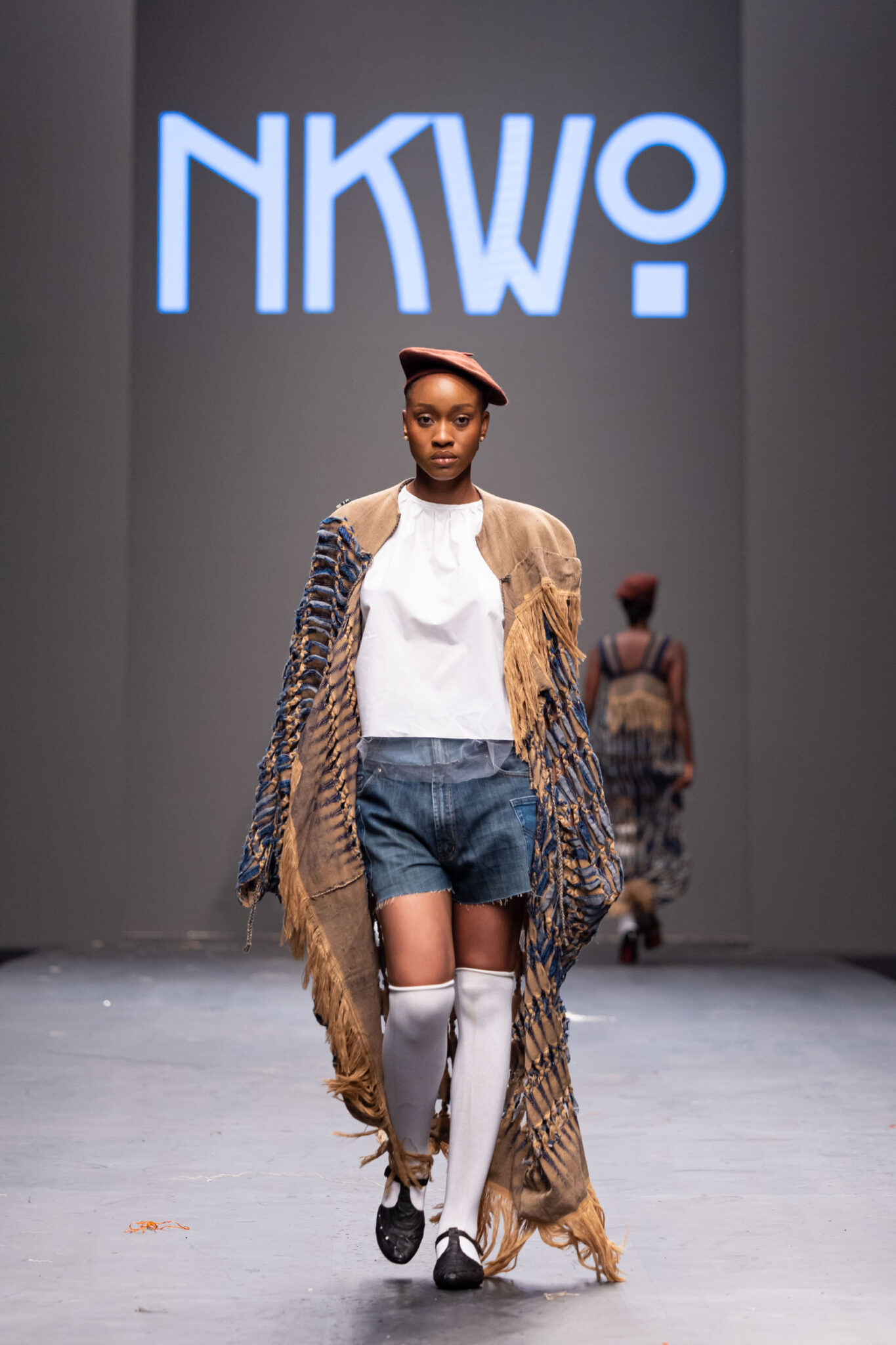

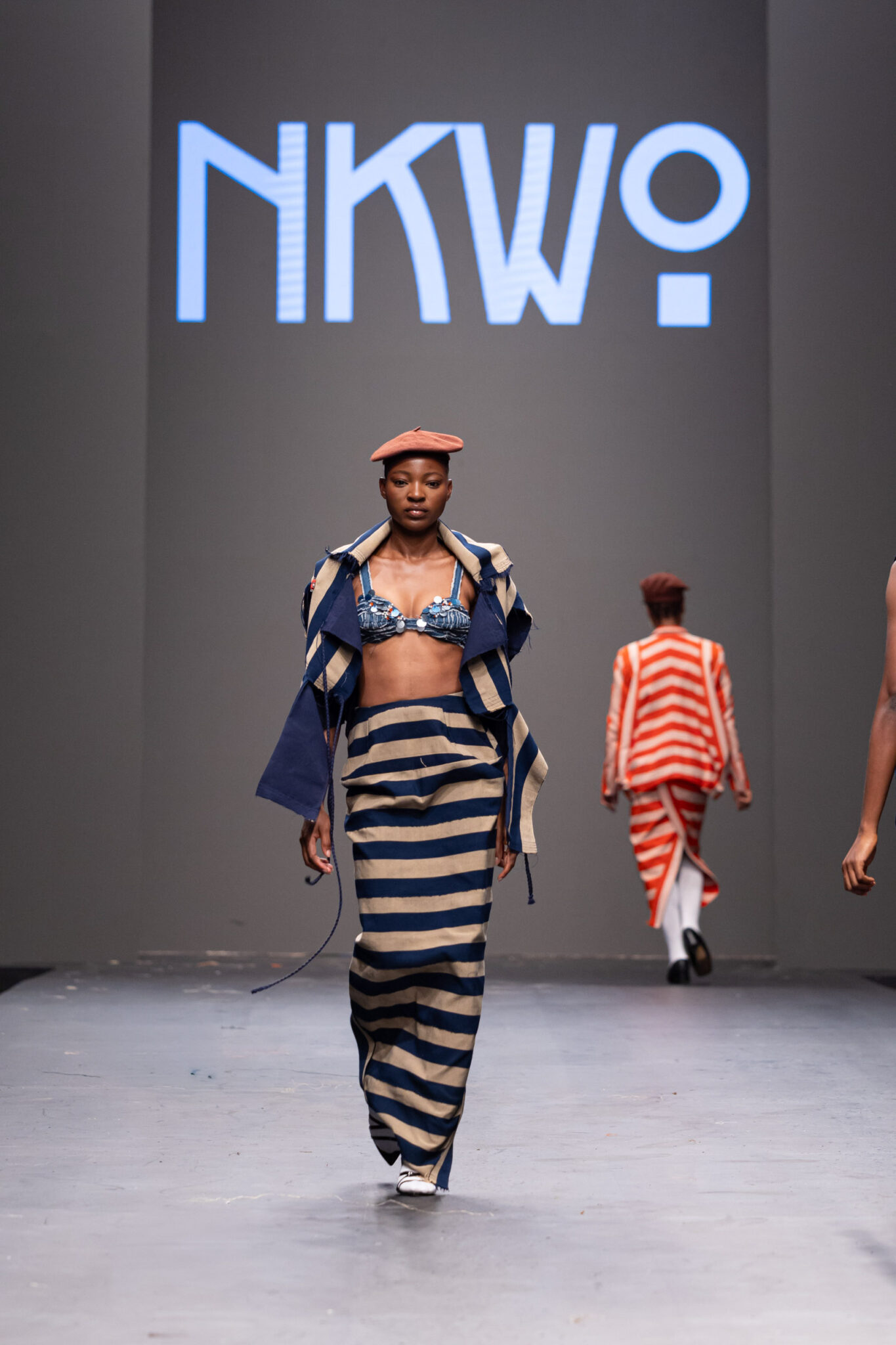
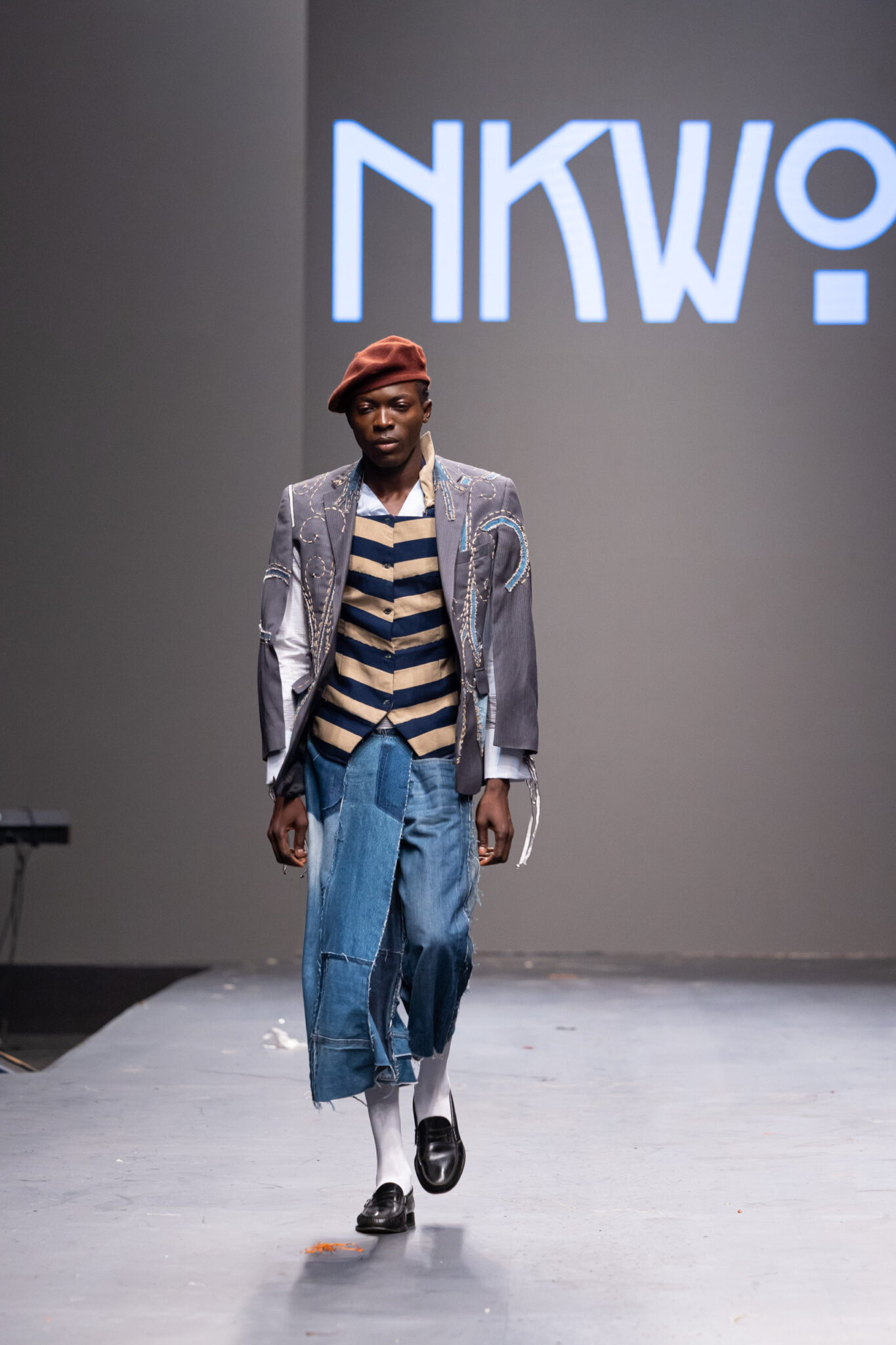
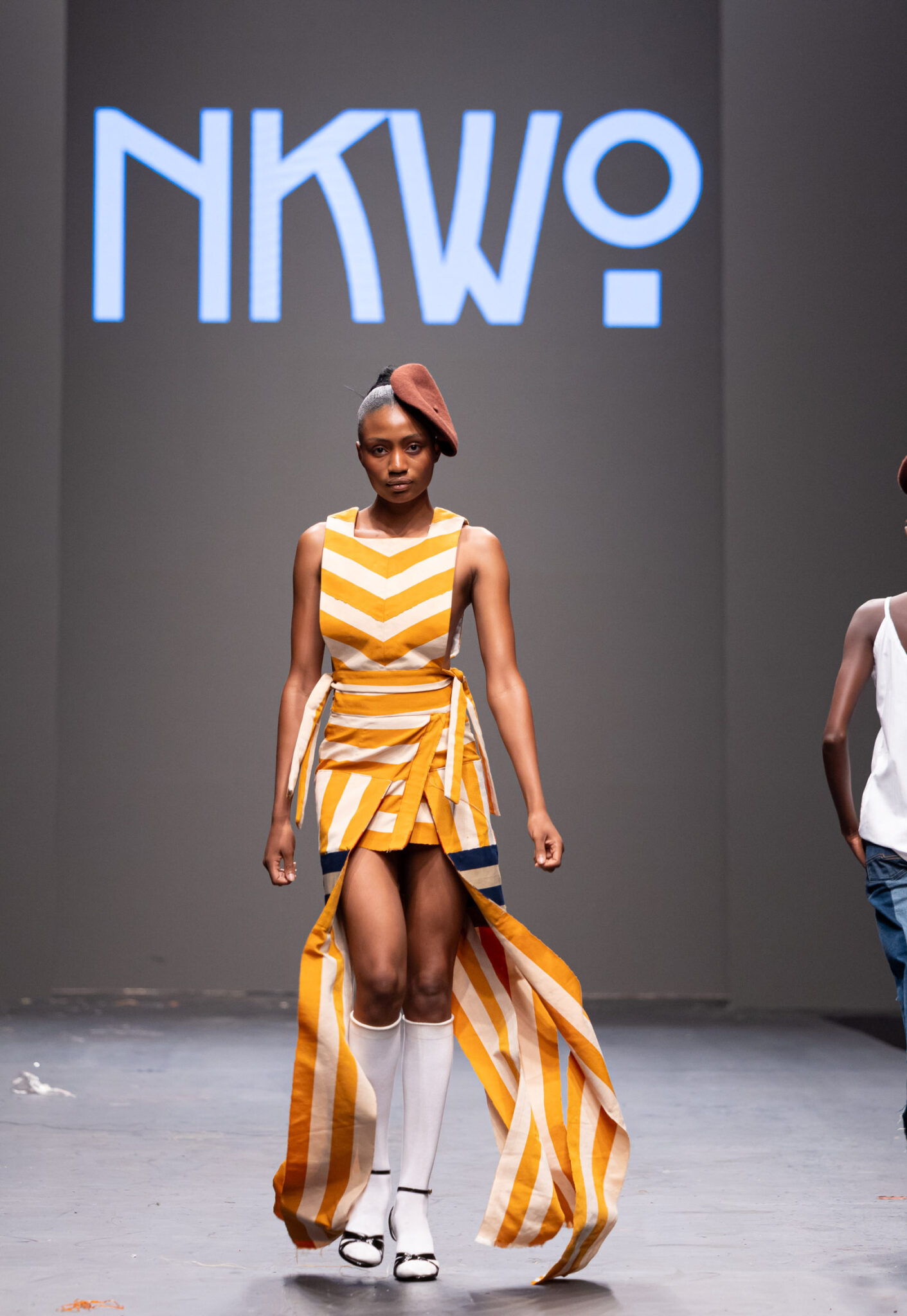
This ethos later crystallised into one of her most significant innovations, Dakala cloth, a textile constructed from stripped and reconstructed fabric remnants. It is now widely recognised as a meaningful African contribution to global sustainable design, positioned at the intersection of craft, material intelligence, and cultural storytelling.

NKWO’s reputation has grown because the brand demonstrates that African luxury can be quiet, restrained, and deeply human.
This year’s Lagos Fashion Week, held in late October 2025, created the ideal backdrop against which to reflect on her impact. Now in its 15th year, the event emphasised sustainability, circular design, and locally rooted craftsmanship — all central to her practice.

The platform also received global recognition after being awarded the Earthshot Prize for its role in promoting a more waste-conscious fashion ecosystem.
For Nkwo, who marks 10 years of the Nigerian chapter of her brand, the timing felt aligned. Her work speaks directly to the ideas Lagos Fashion Week chose to foreground this season, offering a steady counterpoint to an industry still negotiating its future direction.
YLA: You’ve spoken about your mother’s cutting table and the dolls you dressed as a child. When did you first recognise fashion as your path?
Nkwo: My father was an artist, and my mother was always sewing, so I grew up around creativity. I made clothes for my dolls from scraps on her table. Everyone assumed I’d become a doctor, but chemistry finished that dream. I started winning fine art prizes, and by 14, I knew I wanted to be a fashion designer. I said I would be in Vogue. I meant it.
YLA: Your name has such depth in Igbo culture. How does its meaning reflect who you are?
Nkwo: My name is one of the four ancient market days — a day of trade and community. But pronounced differently, it becomes a bird of prey. I’m both. Grounded, but I refuse to be pinned down. I need my freedom. I’m very much my mother in spirit, yet also the bird that needs open sky.
YLA: People often talk about sustainability as responsibility. For you, is it also emotional?
Nkwo: Definitely. Before I even had the word “sustainability,” I was drawn to nature. I grew up on wildlife documentaries — Jane Goodall, David Attenborough. I always wanted to be outdoors. And as children, we made things from cereal boxes and scraps. It’s just how my mind was formed.
YLA: Outside of fashion, what fuels your imagination?
Nkwo: Music. I see sound. When I started the brand, it was Afro-bohemian; now I’m listening to more jazz, and the work reflects that. And my dreams… they’re vivid. Sometimes I dream entire fashion shows. I wake up and sketch immediately.
YLA: After 20 years of creating and a decade of the Nigerian chapter, what does your brand stand for now?
Nkwo: Positive impact on people. Care for the environment. And using my voice, not hiding behind the work. Creative people often become quiet, but I’ve realised the work isn’t enough. Your voice sometimes has to stand beside it.
YLA: People expect innovation from you every season. What does that pressure feel like?
Nkwo: It’s exhausting. I absorb everyone’s energy — my team, the young designers who look up to me, the women in the IDP [internally displaced person] camps I train. For the past three years, I’ve had creative block. This last collection was difficult. But I knew I had to produce something; otherwise, you become irrelevant. That pressure is real.
YLA: What failure or near-failure changed how you create?
Nkwo: My first big flop was at the early Arise/African Fashion International show in Johannesburg. I produced a collection that wasn’t true to me. It fell flat. It took years to recover. Then, during Lagos Fashion Week another year, an editor told me that what I was wearing was better than the collection I showed. He was right. Those moments push you towards honesty.
YLA: Dakala cloth has become your signature. What’s the part of the story you rarely share?
Nkwo: The name. I couldn’t reach my weavers one season, so I stripped waste fabric and stitched it back together. From a distance, it looked like woven cloth. I knew I had invented something new. I read an article saying the sound of a loom is sakalasi sakalasa. I replaced the “s” with a “d” for denim, and Dakala was born. A modern African fabric for a modern African problem: waste.


