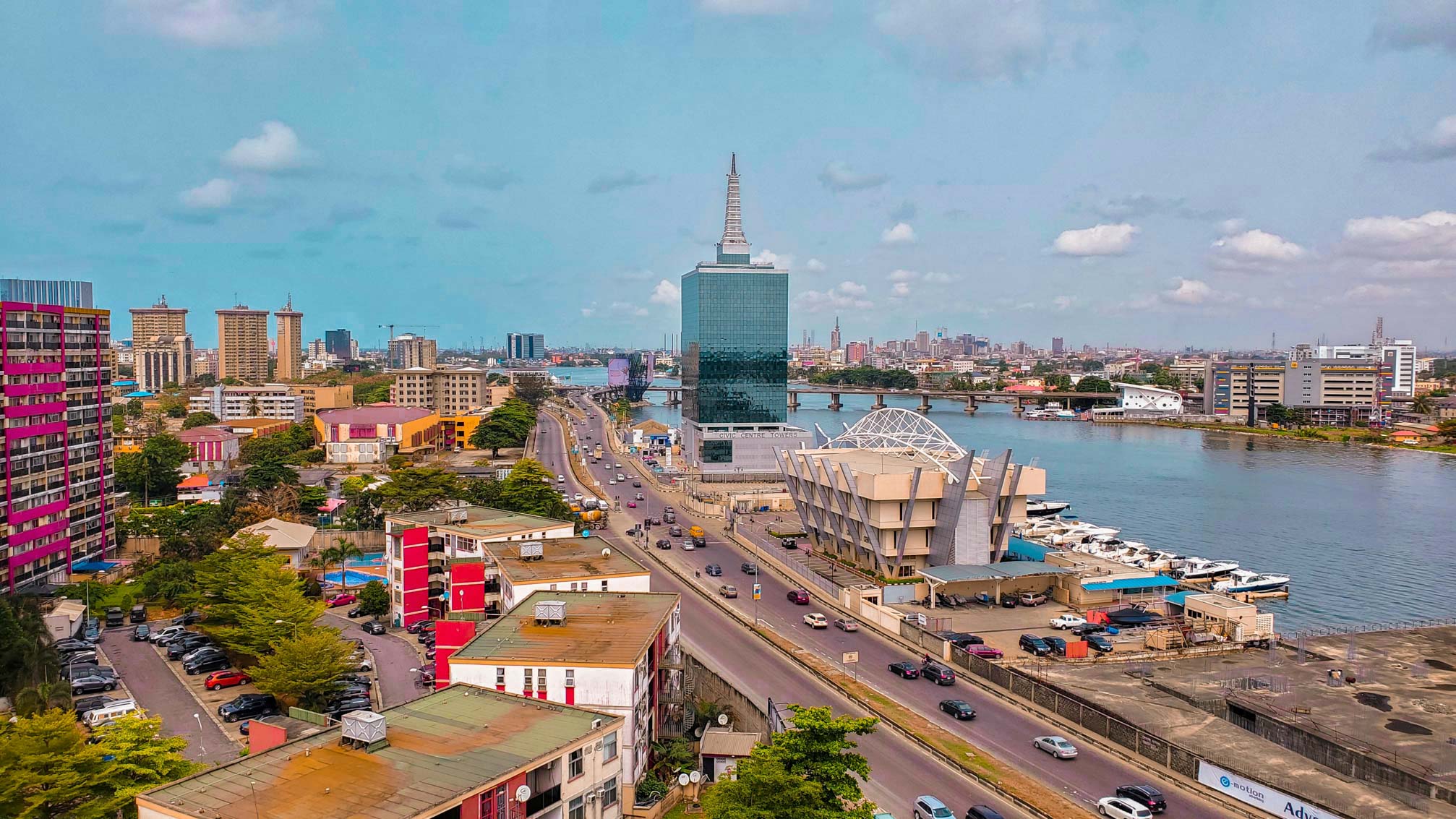
To understand the new Nigerian luxury scene, you first need to appreciate and accept its compelling paradox. It is a world of exquisite perfection, built deliberately, and defiantly, amidst celebrated chaos. In Lagos, a city that never slows down even when its traffic does, the most coveted status symbol has evolved. It is no longer just about owning a Swiss watch; it is about owning something far more rare: effortless convenience.
This is the defining narrative of Nigeria’s rapidly expanding luxury market. This sector is fuelled not merely by economic development and a growing population of high-net-worth individuals, but also by a profound cultural shift. The expanding elite is no longer content with importing European standards of opulence. Instead, they are crafting a bold new vernacular of luxury that is inherently and proudly Nigerian — one that values discovery, exclusivity, and experience as much as the object itself.
This is a story of how a generation is spending its new wealth not to escape its identity, but to celebrate it on a world stage.
The New Guard – A Radical Shift in Wealth and Taste
The most significant driver of this change is the demographic now in control of its spending power. Nigeria boasts one of the world’s largest youth populations, and the new luxury consumer is a drastic departure from the old-money elite of the past. Their wealth is typically self-made, earned rapidly in dynamic, globalised industries, and their tastes reflect a confident, discerning worldview.
Leading this shift are Nigeria’s ‘tech boys,’ the entrepreneurs behind unicorn companies like Flutterwave and Paystack. Their fortunes, built on intellectual capital and global venture funding, have provided them with both the financial power and the self-confidence to approach luxury with a new, discerning perspective. It includes media moguls like Linda Ikeji and Jason Njoku (of iROKOtv, often termed ‘the Netflix of Africa’), who built digital empires by understanding the modern African consumer. Even more visibly, it includes global superstars of Afrobeats like Burna Boy, Wizkid, Davido, Tiwa Savage, who are no longer just musicians but multimillion-pound enterprises and the continent’s most influential tastemakers.
Beneath this ultra-famous tier lies yet another powerful engine of consumption: a growing professional class of lawyers, bankers, and tech executives. While they may not be making international headlines, their combined spending power is enormous, and they actively aspire to the lifestyles of their more visible counterparts.
The Rise of Home-Grown Couture
This shift in consumer mindset has sparked a renaissance in Nigerian design. Opulence is no longer defined by importing European goods to emulate a foreign standard of living. Instead, the new luxury is found in masterful curation and fusion, like the pairing of a traditional asoke fabric tailored into a modern suit with a Swiss watch, or the wearing of a world-class Nigerian designer to a global event.
Designers have risen to meet this demand, transforming their work into globally recognised luxury products. Lisa Folawiyo is a pivotal figure in this movement, renowned as the master of modernising Ankara. She put her brand on the map by expertly embellishing traditional African print fabrics with luxurious beading, crystals, and sequins, creating stunning, ultra-feminine pieces that have collected a devoted international following. Her success, evidenced by being worn by the likes of Michelle Obama and Lupita Nyong’o, proves that local materials can form the foundation of a global luxury brand.
Similarly, Tokyo James (Iniye Tokyo James) is redefining the possibilities of African menswear. His signature style, which is elevated, architectural, and edged with a rock-and-roll sensibility, challenges outdated notions of what African fashion can be. By consistently presenting his collections at London and Paris Fashion Weeks and securing international stockists, he demonstrates that Nigerian design can be as conceptual, modern, and desirable as any from the traditional fashion capitals.
The success of these designers signals a crucial evolution: ‘African-ness’ is no longer a niche aesthetic but a powerful part of a sophisticated global style. The new Nigerian elite wear their heritage not as a costume, but as a badge of honour.
Star Power and Influence
It is impossible to separate the growth of Nigerian luxury from the impressive soft power of its creative sectors. Afrobeats and Nollywood have evolved into potent cultural forces that also drive trends. A single appearance by a superstar like Burna Boy wearing a Nigerian designer on a global platform doesn’t just generate sales — it serves as a powerful endorsement that validates the quality and prestige of the entire industry.
The impact of a celebrity endorsement in Nigeria is only getting stronger. For instance, the global fashion brand Fashion Nova strategically collaborated with Nigerian fashion influencer Laura Ikeji to target millennial consumers. Through a series of curated Instagram posts and stories showcasing her personal style with their clothing, she drove significant engagement and conversion, demonstrating the powerful blend of local influence and global aspiration.
The Ultimate Luxury Is Experience
A clear sign of a maturing market is the strategic shift in focus from luxury goods to luxury experiences and services. The current boom is driven less by a desire to acquire possessions and more by a demand for exclusive access and memorable experiences.
High-end hospitality has evolved into an art form. In Lagos, venues like the ALÁRA Members Club, founded by Reni Folawiyo, represent the pinnacle of this trend. Located above the renowned concept store, it is not merely a bar — it’s a private sanctuary for a carefully vetted community of artists, entrepreneurs, and business leaders. Membership is based on cultural contribution and influence, not just wealth, creating an ecosystem of like-minded individuals. Similarly, discreet establishments like The Ark, with its unmarked entrance, offer a secure, sophisticated environment for the elite to make connections away from the public eye.

At the apex of this new service economy lies the ultimate luxury: personalised concierge culture. This goes far beyond a hotel concierge. It is a membership-based service that acts as an external, premium-grade personal assistant for high-net-worth individuals.
Of course, Lagos operates on a simple equation: time is the ultimate currency. For the city’s successful, cash-rich but time-poor elite, navigating infrastructure challenges makes every minute precious. Enter the premier concierge: a service that trades in the invaluable commodity of ease. They are the solvers of the impossible, the masters of logistics, the discreet planners of a seamless life.
This “invisible architecture” is the definitive mark of new wealth. It signifies that your most valuable asset — time — is protected by a team dedicated to eliminating friction and creating perfect, private bubbles within the city’s vibrant chaos.
A Self-Defined Future
Nigeria’s luxury scene is a powerful expression of a new national confidence. The new elite are not simply consumers — they are curators of a lifestyle that blends global quality with Nigerian soul. They have built their wealth on their own terms in technology, media, and creativity, and they are now defining luxury on their own terms as well.
The story of Nigerian luxury is no longer one of aspiration towards a foreign ideal. It is the story of an audacious, creative, and self-assured culture crafting its own unique definition of opulence — and it’s inviting the world to take notice.