

There is a moment, usually around mid-July, when it becomes noticeable: the tell-tale tightness after cleansing, the way foundation clings to patches that weren’t there before, the faint, persistent itchiness that signals winter has well and truly arrived.
As the country eases into the colder months, skin begins to send out distress signals. The good news? The solution might already be sitting in the bathroom cabinet, misunderstood and underappreciated: barrier creams.
What Is a Barrier Cream?
Think of the skin barrier — technically the stratum corneum — as a brick wall. The skin cells are the bricks, and the lipids (ceramides, cholesterol, fatty acids) are the mortar holding everything together. This complex structure keeps moisture in and irritants out.
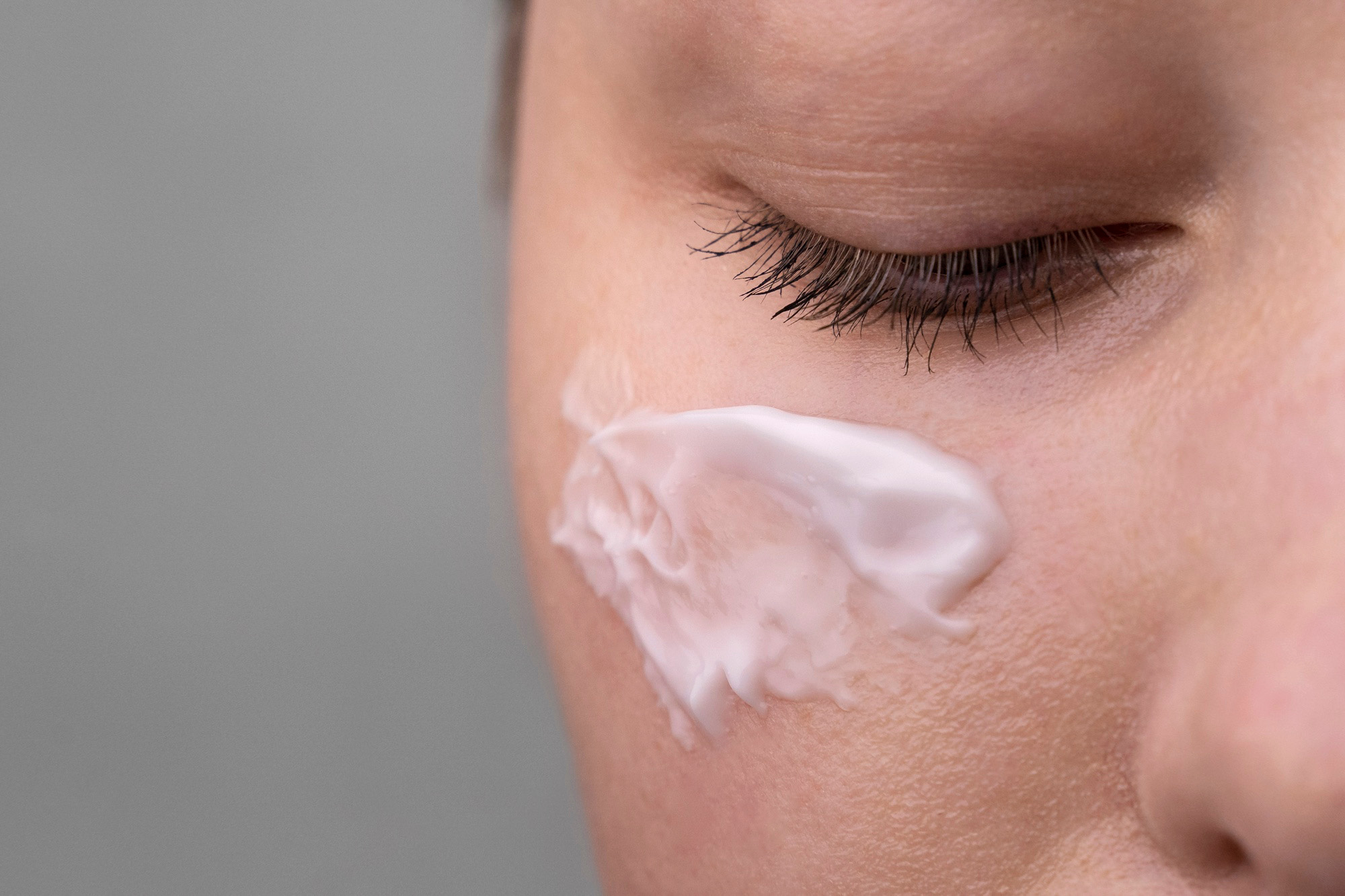
A barrier cream is essentially reinforcement for that wall. Unlike a standard moisturiser that adds hydration, a barrier cream creates a protective film on the skin’s surface, sealing in moisture and shielding against external aggressors such as cold wind, indoor heating, and pollution. It is the difference between topping up a home’s insulation and installing storm shutters before a snowstorm.
The TikTok Effect: Fact vs Fiction
For those who follow beauty TikTok, the recent explosion of interest in skin barrier health will not have gone unnoticed. The platform’s algorithm-driven discovery has turned barrier care into something of a movement.
But with any viral trend comes a fair share of theories: some helpful, some less so. Claims that barrier creams can “fix” everything from acne to ageing overnight circulate regularly. There is the so-called “caveman skin trend”, where proponents advocate stripping routines back to nothing — no cleansing, no moisturising, sometimes not even water — in the misguided belief that this will somehow repair the barrier.
The experts, of course, don’t agree.

Why Winter Weakens Your Skin Barrier
A compromised barrier does not just feel uncomfortable; it functions poorly. Moisture escapes more readily (transepidermal water loss, to use the technical term), and irritants penetrate more easily. The result? Redness, sensitivity, flaking, and, for those with conditions like eczema or psoriasis, potential flare-ups.
This is where barrier creams become non-negotiable. They provide that occlusive layer — the shield — that allows skin to retain hydration and focus on repair.
South African Barrier Creams to Know
The local market offers several excellent options, whether you’re new to barrier creams or looking to upgrade your winter arsenal.
SBR Protect (available at Clicks) is something of a cult classic in South Africa, and for good reason. This fragrance-free formula contains approximately 70 per cent lipids — an exceptionally high concentration — and is clinically tested to restore and maintain skin barrier function. Approved by the Allergy Foundation of South Africa, it works beautifully on dry, chapped, or cracked skin. At around R269 for 100g, it is both accessible and effective.
Uriage Bariéderm products have long been favourites among those who understand French pharmacy skincare. The Reconstructive Barrier Cream is designed for skin exposed to extreme weather conditions or aggressive agents, with an invisible, non-greasy texture that healthcare professionals reportedly favour. For hands — often the first to suffer in winter — the Bariéderm Hand Cream combines insulating polymers with manuka honey to soothe and protect.
Sudocrem deserves mention here, too. While many know it as a nappy cream, its zinc oxide-based formulation works wonders as a targeted barrier treatment for particularly stubborn dry patches. A thin layer applied to affected areas can work overnight.
How to Use Barrier Creams Effectively
A few practical notes: barrier creams are typically most effective when applied to damp skin, locking in the hydration from a serum or moisturiser. They can be used all over the body; hands, elbows, and knees should not be neglected. And if you are prone to breakouts, barrier creams need not cause concern; many formulations are non-comedogenic, and a healthy barrier is essential for all skin types, including oily and acne-prone.
The beauty of the current conversation around barrier health is that it is moving away from the “more is more” mentality that dominated skincare for so long. Protection is not glamorous, but it is foundational. And as the country settles into another South African winter, giving skin the shield it deserves might be the smartest thing to do.
After all, the best trends are the ones that actually work.


