

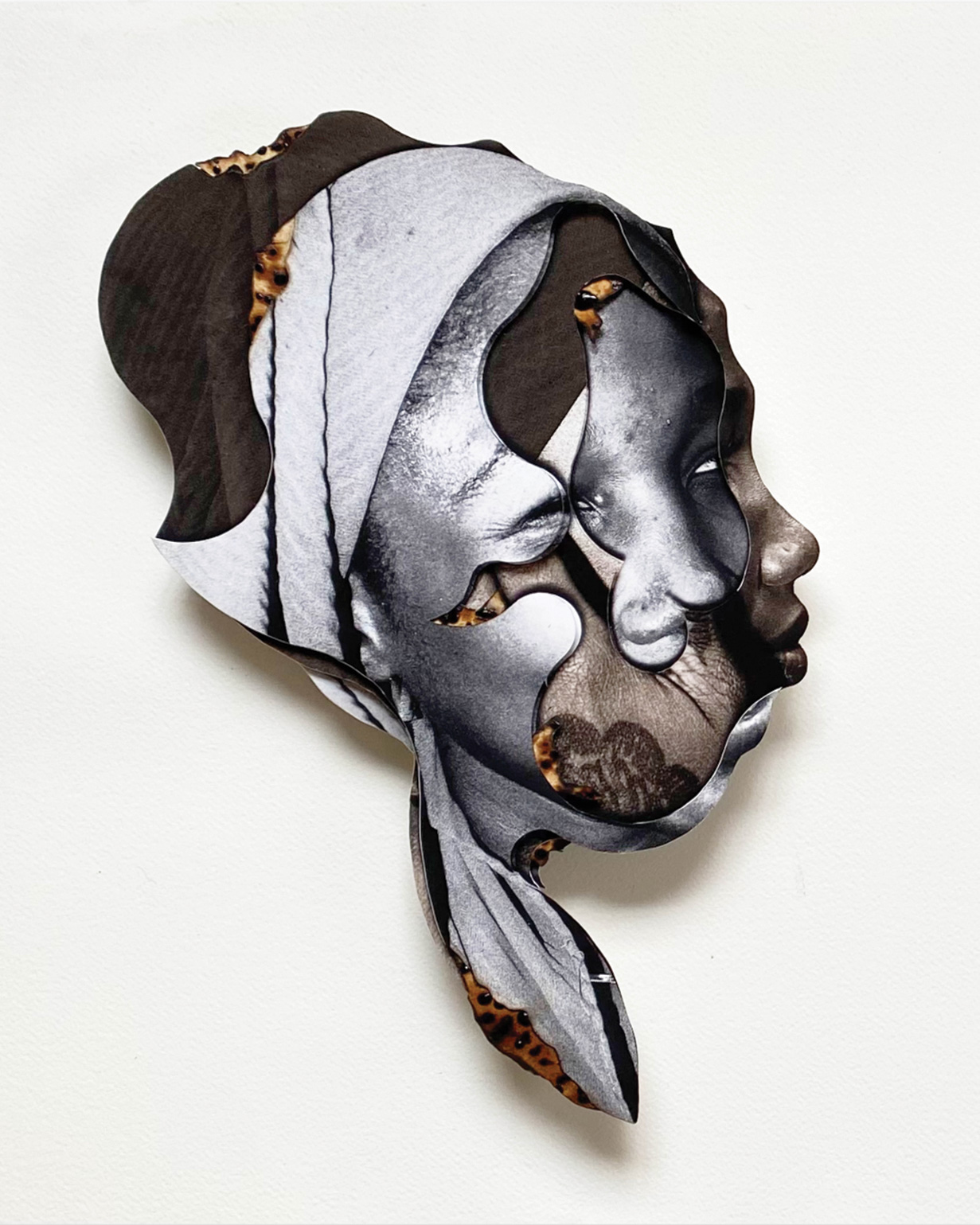
YLA is proud to return as an official media partner and warmly invites readers to visit our YLA Lounge booth, where art, conversation, and community converge in celebration of Africa’s evolving creative landscape. In partnership with the fair, we’re also offering readers an exclusive opportunity to experience it firsthand – enter below for your chance to win.
WIN
One lucky YLA reader and their partner can win PREMIUM PLUS tickets, which includes access to Vernissage, the full weekend pass, and VIP Hour.
Follow the Instagram pages:
@yourluxury_africa and @investeccapetownartfair
like the post, add to your stories, and fill in the form below to secure your entry.
The competition ends midnight Monday 16 Feb and the winner will be drawn 8am Tuesday 17 Feb.
There are art fairs that dazzle, and art fairs that speak. The Investec Cape Town Art Fair (ICTAF) has always done a bit of both – but in 2026, it leans decisively towards the latter. Under the theme Listen, the fair invites visitors to shift from consumption to contemplation: to step away from the theatre of “what’s trending” and attune themselves to what is being said – quietly, insistently, spiritually, politically – across contemporary art practices on the continent.
Listen is not a passive request; it’s a provocation. ICTAF Director Laura Vincenti describes it as “a crucial, ethical act… a radical and active method of engaging with art, as well as engaging with one another and with our current moment.” In an African context, she adds, “The continent’s particular present is informed by a history that requires specific listening to both political and social realities,” while cautioning against treating Africa as a single, flattened identity.
This year’s edition features galleries from Nigeria, Kenya, Zimbabwe, Cameroon, Ethiopia, Uganda, Zambia, and Angola – representation that is not merely geographic, but cultural and infrastructural.

“Our variety of exhibiting galleries hailing from the continent echo an ongoing commitment and ethos of Investec Cape Town Art Fair: to bridge contemporary art across all localities, cultures, and continents,” Laura explains. “As the leading and largest international contemporary art fair in Africa, we have a responsibility to use our platform to include – and showcase – galleries that might otherwise remain somewhat unheard by the international community.”
She is direct about the harmful simplifications that have long shaped international perceptions of African art. For ICTAF, listening becomes a strategy – making room for nuance, resisting reduction, and positioning African galleries as equal participants in global dialogue.
“An African gallery should always be viewed as an equal member of the international art community,” she notes. “The fair is a common ground for galleries from all geographies.”
Across the fair, Listen encourages curatorial approaches that highlight “the softer sounds and voices that are not often immediately noticed,” with spirituality, mythology, dreaming, and ecology surfacing across programmes.
“The artworks of Botswana-born artist Pamela Phatsimo Sunstrum, who is showing with Goodman Gallery, come to mind,” Laura says. “Her artworks listen to the mythical and geological… [placing] cosmological frequencies in conversation with the movement and communities that have informed her identity.”
As the fair unfolds, Laura’s longer-term ambition is clear: lasting outcomes, not momentary visibility. Strengthening Africa’s art ecosystem, she argues, requires “more institutional presence to actively promote and bolster the incredible community of creatives who deserve to have their voices heard.” It also demands a shift in framing: “It’s not ‘African art’ on a global stage, it’s contemporary art from Africa.”
Participating African Galleries
THIS IS NOT A WHITE CUBE (Luanda)

Founded in Luanda in 2016 and now based in Lisbon, THIS IS NOT A WHITE CUBE is an international contemporary art gallery focused on representing and collaborating with both established and emerging artists.
Its programme is driven by relevant narratives and critical debate, positioned between the European context and the Global South. Operating across geographies, including Luanda, the gallery brings a concept-led presentation – often sculptural, rigorous and intellectually precise.
thisisnotawhitecube.com
Logmo + Makon (Douala)

A compelling Central African perspective enters the fair through Douala’s experimental, urban creative language – a practice shaped by materiality, community and cultural critique.
The gallery champions contemporary voices such as Jean David Nkot, Carine Mansan and Wilfried Mbida, artists whose work speaks to identity, memory, and modern African lived realities through a distinctly conceptual lens.
This marks the gallery’s debut at ICTAF. Laura Vincenti emphasises the importance of widening the fair’s geography, noting that welcoming cities never represented before ensure “more voices resonate across countries and artistic traditions.”
@logmomakongallery
The Space Ethiopia

Ethiopian contemporary art is increasingly entering broader global awareness – a scene shaped by deep history and a strong aesthetic sensibility.
The Space Ethiopia offers a platform for artists whose work often navigates heritage, spirituality, symbolism and modern life, bringing Ethiopian perspectives into a pan-African contemporary conversation.
thespaceethipoia.com
Circle Art Agency (Nairobi)

Circle Art Agency has long been a cornerstone of East Africa’s contemporary ecosystem — as much a career-building platform as a gallery. With Nairobi’s cultural confidence rising, Circle has helped shape how East African art is presented, collected and understood beyond regional borders.
Laura notes that Circle plays “a very important role” in Nairobi, where artists often struggle to be supported by existing art infrastructure. This year, the booth brings together artists Souad Abdelrasoul from Egypt and Sujay Shah from Kenya.
She adds that director Danda Jaroljmek’s long-standing advocacy for animals informs the booth’s focus on the relationship between humans and animals – a meaningful extension of the director’s passions, and a timely discourse within the current global environment.
circleartagency.com
kó (Lagos)
Lagos’ energy carries through kó’s programme: contemporary, ambitious, and globally fluent. The gallery champions artists who balance visual confidence with conceptual depth, often navigating identity, urban life, and reinvention in works that reward close reading.
ko-artspace.com
O’DA Art (Lagos)

Part of Lagos’ new-generation gallery infrastructure, O’DA Artembodies a culturally literate, internationally minded programme with narrative at its core.
Expect artists who treat the body and the self as archive – work shaped by memory, intimacy, and contemporary African experience.
odaartgallery.com
The 1897 Gallery (Lagos)
Polish meets purpose in this tightly curated programme, known for presenting artists with both cultural relevance and collector resonance.
Among its roster is British-Nigerian photographer Ade Adekola, whose conceptual practice examines contemporary identity at the intersection of culture and technology, as well as Ken Nwadiogbu, celebrated for his layered, technically masterful works spanning painting, installation and video. The gallery also represents Sola Olulode, recognised for intimate portrayals of community and desire, often centring black womanhood with subtle nods to Yoruba Adire textile traditions.
the1897.com
Wunika Mukan Gallery (Lagos)

Storytelling sits at the heart of this programme, often expressed through symbol, portraiture, and layered memory.
Laura highlights the fair’s expanded moving-image focus: “We have more video works than ever before being shown at the fair this year… [following] the logic that our theme, Listen, encourages.” She points to Nigerian-British artist Chidirim Nwaubani, showing with Doyle Wham in Tomorrows/Today, adding that “listening is offering a new ethics of viewing… in truly ground-breaking ways at the fair’s 2026 edition.”
wunikamukangaller.com
Umoja Art Gallery (Uganda)

Uganda’s contemporary art ecosystem continues to gain momentum, with artists exploring themes of identity, family, social transformation and cultural inheritance.
Umoja Art Gallery supports this trajectory, presenting work rooted in human stories – emotionally intelligent, sometimes politically attuned, often intimate. In a fair context, the gallery’s role is vital: bringing East African voices into the collector gaze and challenging assumed hierarchies of which African cities “matter” in art.
umojartgallery.com
Everyday Lusaka Gallery (Lusaka)

Lusaka’s emergence as a represented city at ICTAF is one of the 2026 fair’s most exciting signals.
Everyday Lusaka Gallery brings a Zambian voice into the fold – fresh, contemporary, and distinctly of the now. This is not heritage for display; it is modern African creative life expressed with confidence.
Laura frames such debuts as essential to the fair’s growth. New entrants, she says, “offer fresh perspectives to enrich the diverse fabric of creative voices hosted by the fair itself”.
everydaylusaka.com
First Floor Gallery Harare (Harare)

Zimbabwe’s contemporary scene is among the continent’s most conceptually sharp – shaped by resilience, critique, humour, and urgency.
First Floor Gallery Harare has played a crucial role in building visibility for Zimbabwean artists, providing a serious platform for practices that move beyond surface aesthetics into cultural interrogation. It is the fair’s only exhibitor showing exclusively Zimbabwean artists.

“At our 2026 edition, the gallery shows Troy Makaza, Again Chokuwamba, Mavis Tauzeni, Grace Nyahangare, Gresham Tapiwa Nyaude, Wycliffe Mundopa, and Helen Teede,” says Laura. “It’s an exciting display of regional expression on an international stage.”
She adds that both Circle Art Agency and First Floor Gallery Harare play very important roles in their respective home cities of Nairobi and Harare, where artists generally struggle to be supported by existing art infrastructure — making both galleries are very significant anchors for their art communities.
firstfloorgalleryharare.com

Loft 3 Gallery (Harare)
Harare’s contemporary scene is further amplified by Loft 3 Gallery, which supports artists with strong visual identities and a sharp eye for social observation. For collectors, its programme offers work that feels grounded, intelligent, and quietly powerful. loft3gallery.com


