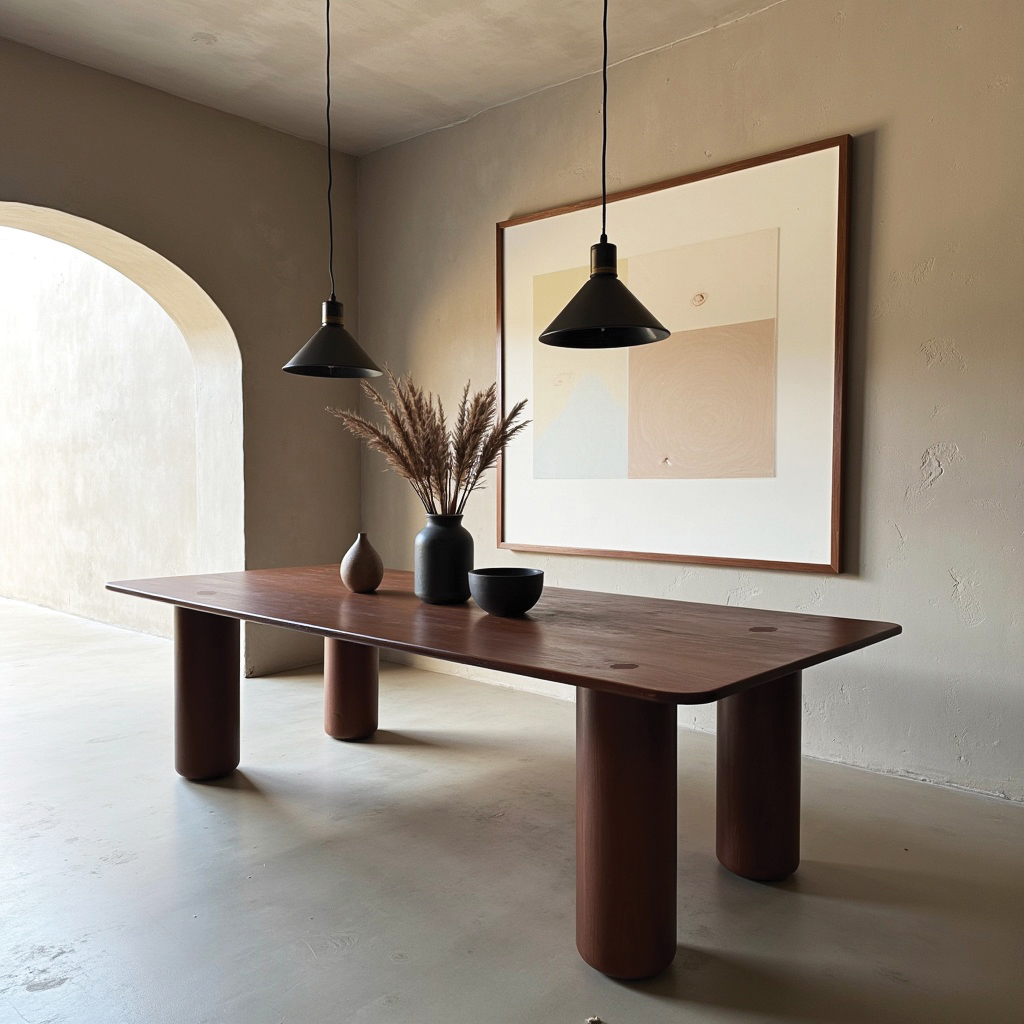
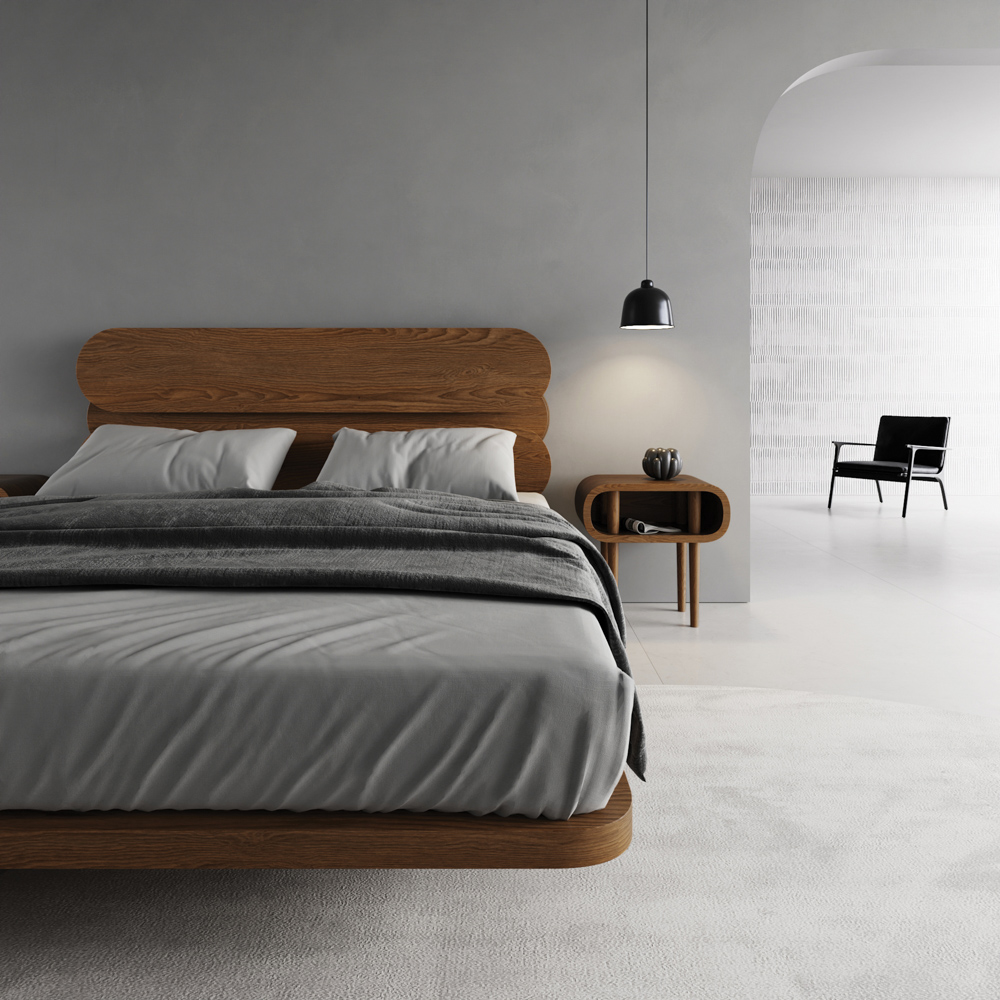
From the bustling streets of Johannesburg to the tranquil alleys of Kenya’s Lamu Island, a quiet design revolution is underway. Among a growing class of brands crafting this new reality – where traditional African values are seamlessly woven into a global contemporary aesthetic – studios such as Johannesburg’s Daily, created by Joey Khuvutlu in 2023, and Kenya’s Saba Studios, founded by Moran Munyuthe in 2016, are redefining modern living with bold, functional, and consumer-driven homeware.
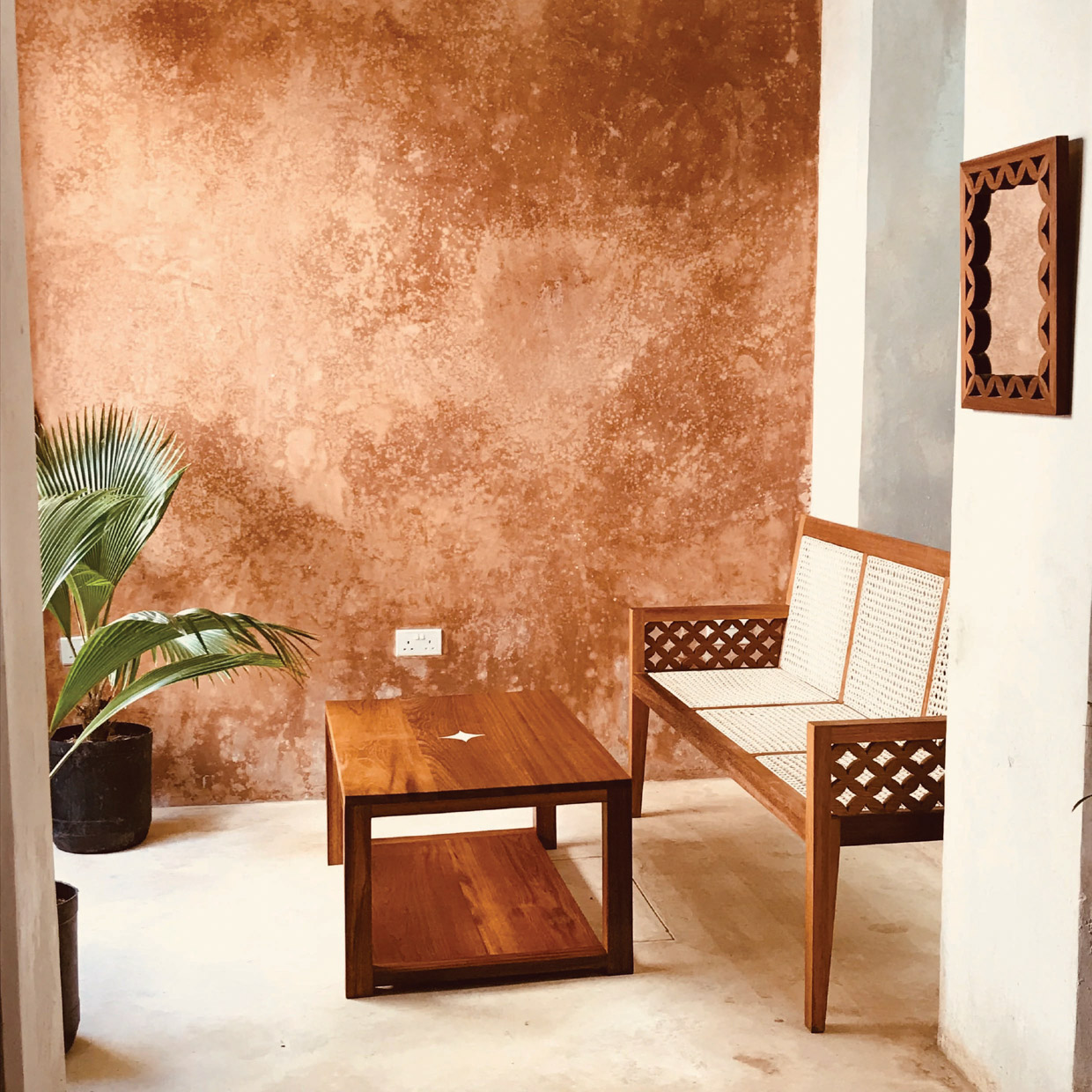
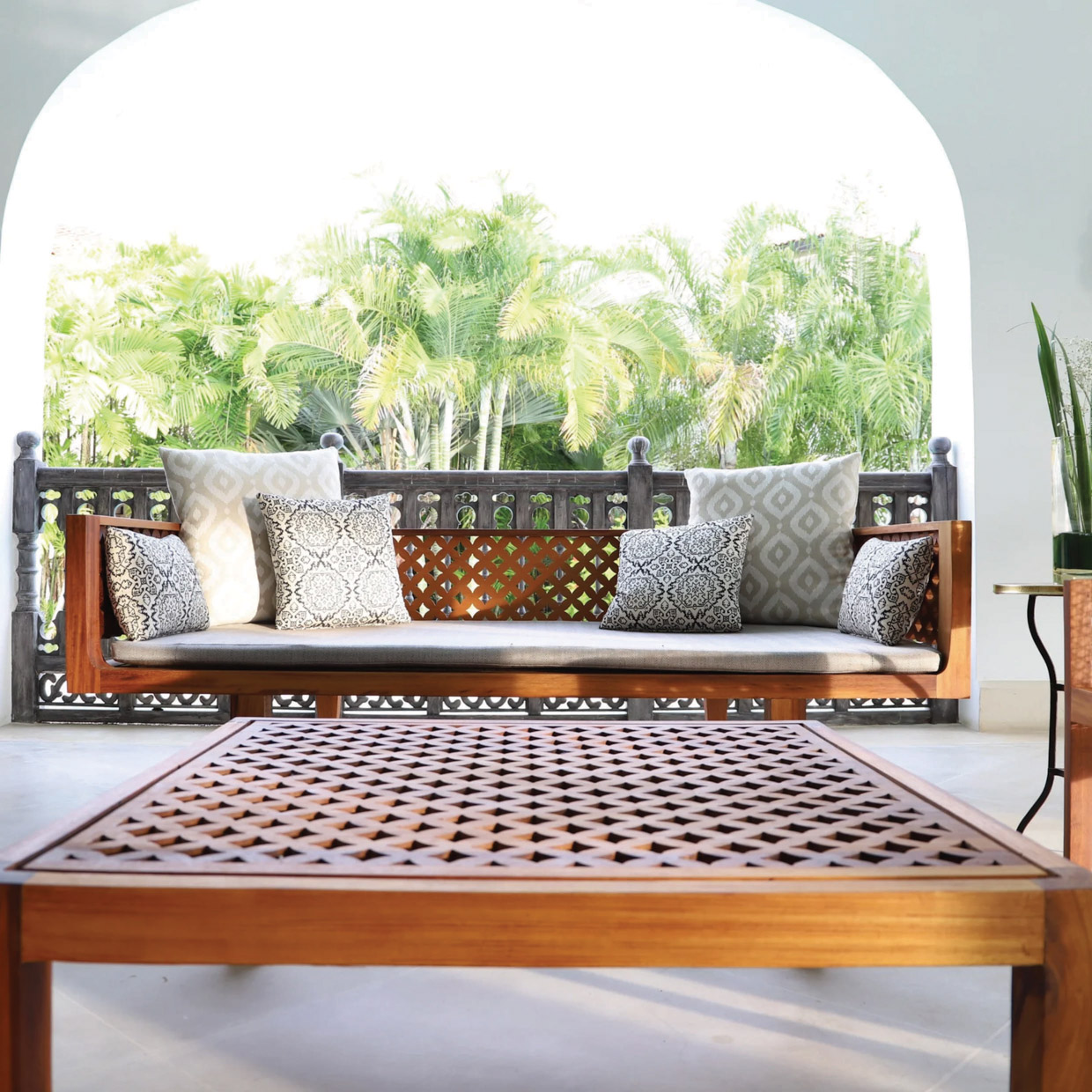
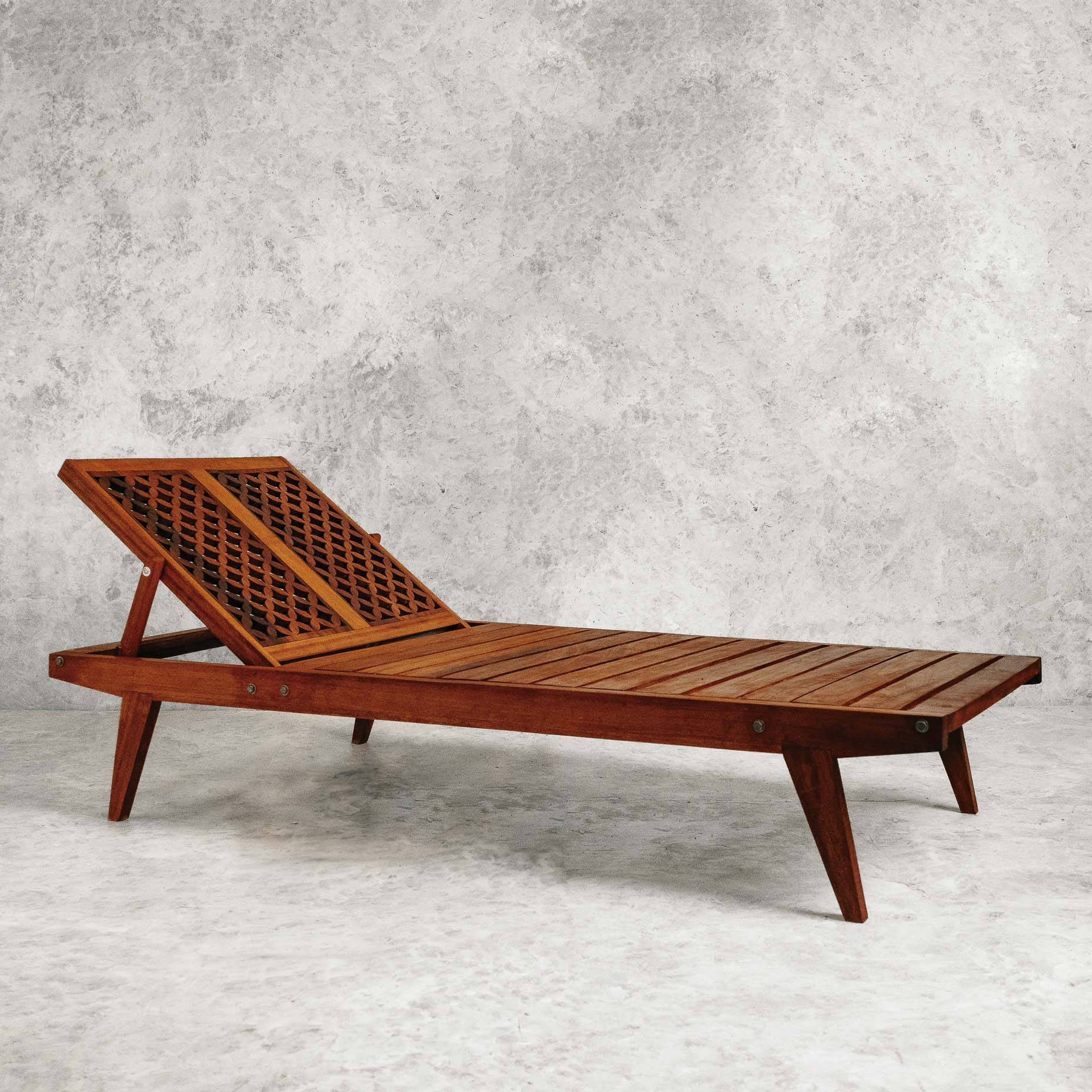
Each studio draws deeply from its local surroundings and cultural heritage. Daily creates organic pieces that blend seamlessly with the environment. Saba Studios channels the spirit of Swahili architecture, crafting objects that are as meaningful as they are modern. A standout example is a striking coffee table featuring mashrabiya – an intricate wooden latticework used for ventilation and privacy in Arabic vernacular architecture – reimagined here as both form and function.
Daily and Saba Studios are creating designs that transcend the present, shaping a future grounded in storytelling and a renewed appreciation for indigenous African craft traditions and design languages. Drawing on the continent’s rich natural resources, both studios champion purpose-driven creations; from sustainable practices to deeply rooted cultural expression.
We speak to Joey and Moran, the visionaries not merely responding to global movements, but shaping them.
Joey Khuvutlu, DAILY
– JOHANNESBURG, SOUTH AFRICA

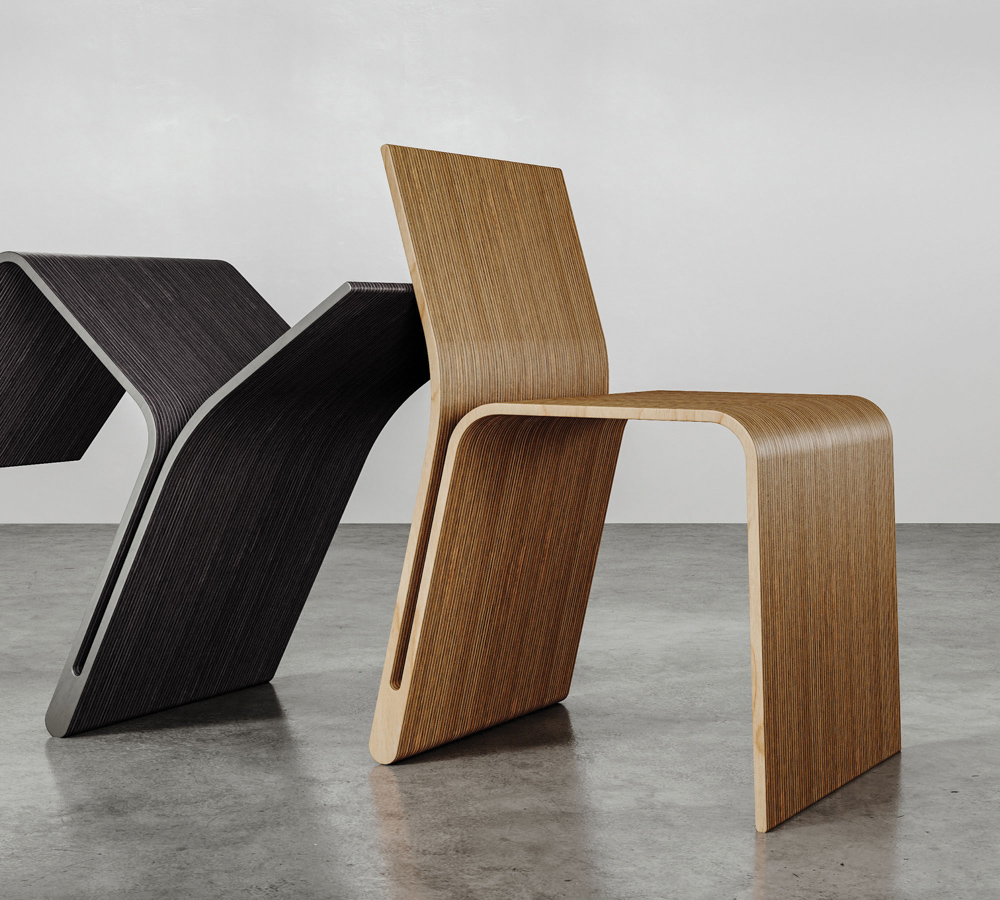
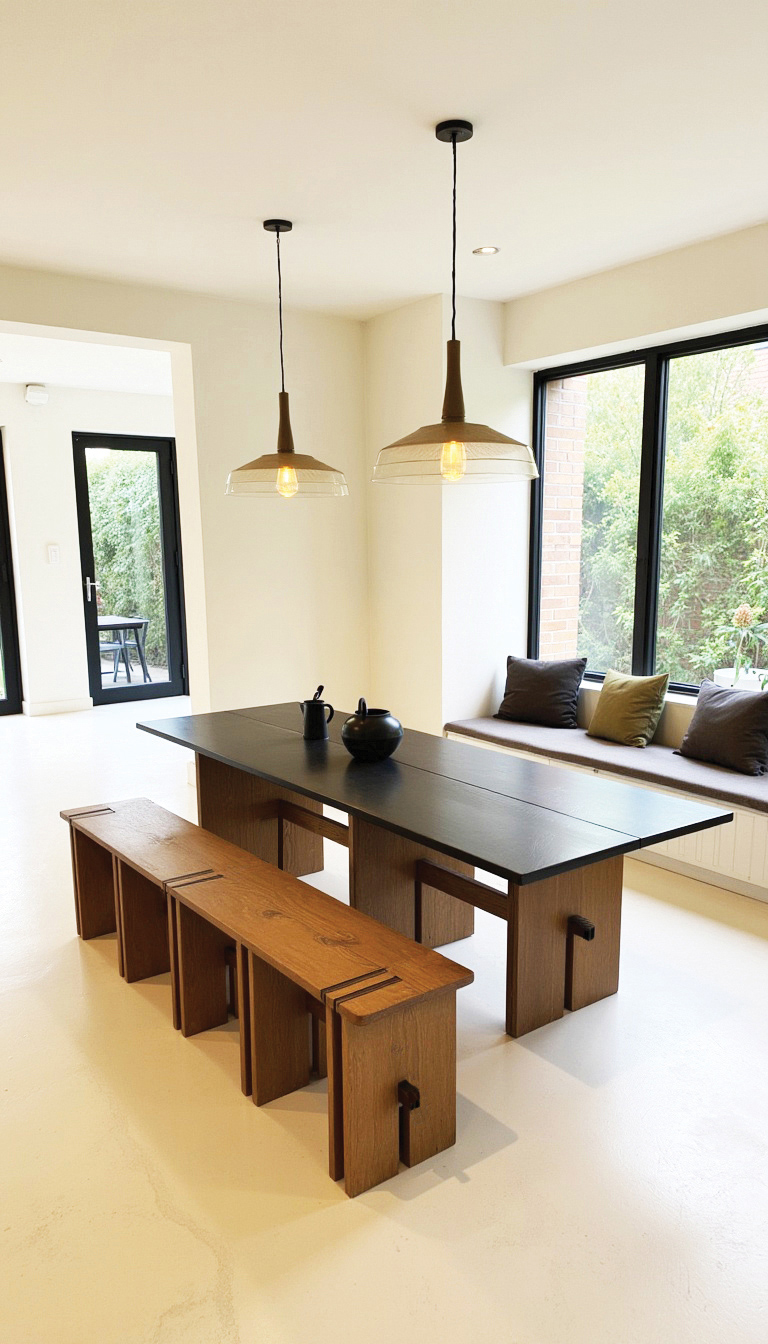
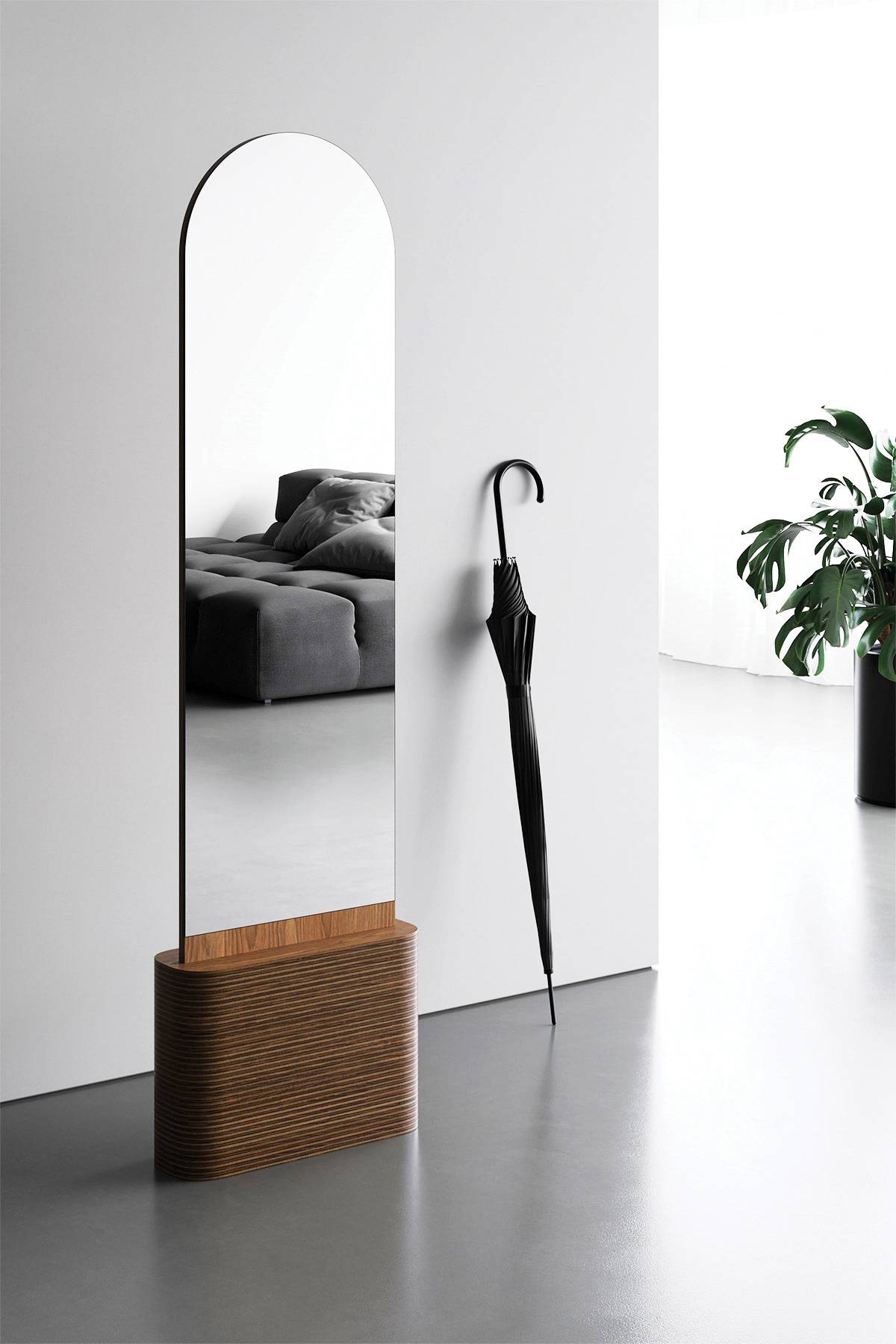
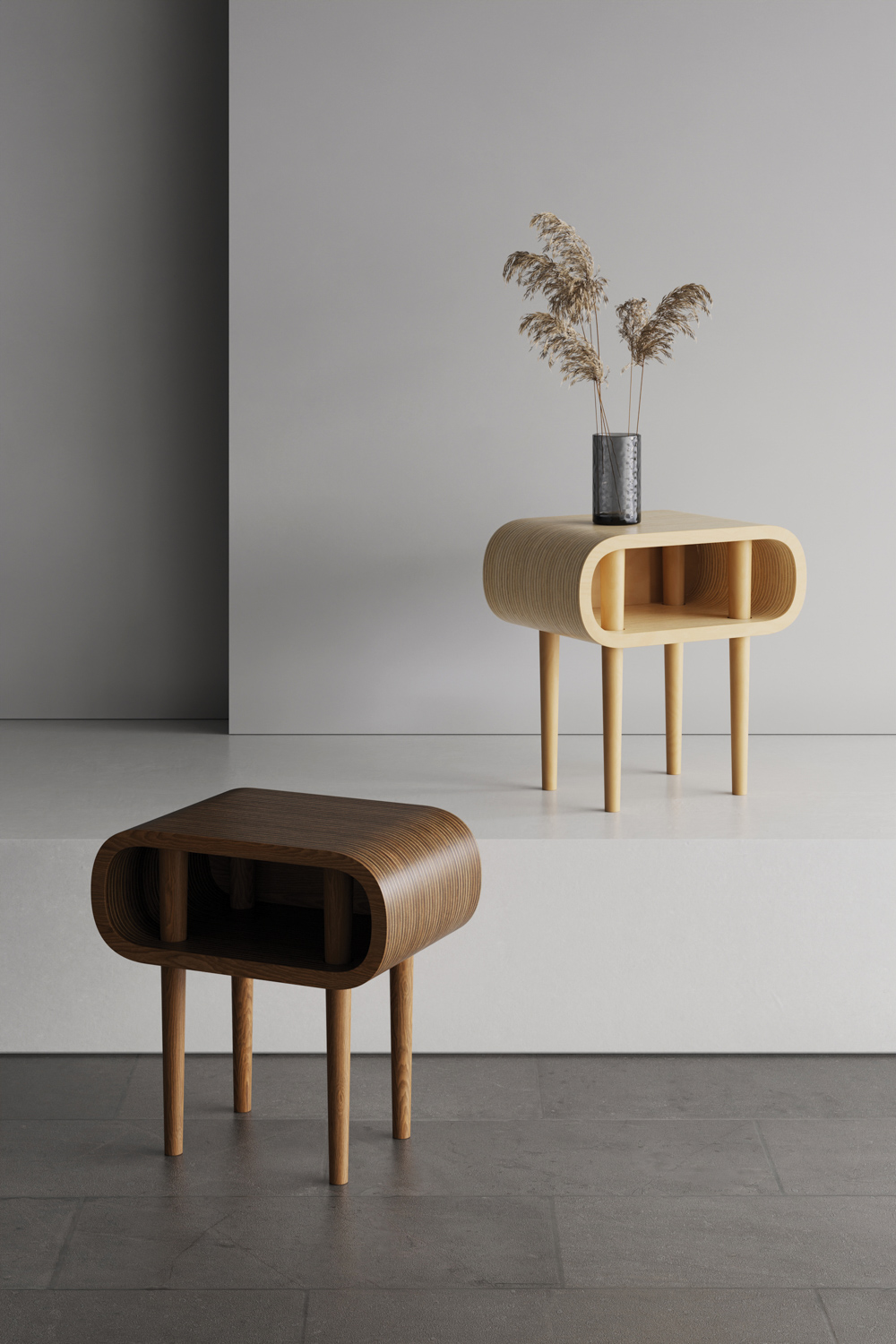
Coming from a branding and marketing background, what key lessons have determined your approach since launching Daily?
The importance of storytelling and understanding that the product must be well-made. I’m always conscious of what each piece is trying to say and to whom it is trying to say it to. Everything is a story.
What is the narrative driving your designs?
My design inspiration comes from my cultural influences as a black, African man living in South Africa. It’s about proposing furniture as a part of popular culture – the same way music, sneakers, and fashion are. In other words, introducing our generation to who we are as Africans and creating pieces of furniture around that representation.
How do your personal experiences influence your aesthetic?
To me, it’s less about technical elements; I’m more influenced by the experience. I come from Giyani in Limpopo. It gets very hot, and you’ll find people sitting under trees on very low stools that have been carved out of a tree trunk – that’s a point of reference for me. My work is often inspired by my experiences.
Does your hometown determine your creative vision?
Giyani has a specific architectural style – it’s a bit post-modernist. The houses there remind me of Frank Lloyd Wright’s architecture, so it has been a great influence.
How have architectural designers Frank Lloyd Wright and Virgil Abloh impacted your approach to form, function, and meaning in your work?
I find them to be great designers because they are multidisciplinary. They challenge what is normal but do so in a functional way. They are from different generations but approach design in a similarly brave way. Their designs are accessible.
How do you define sustainability?
A key thing for me is a sense of timelessness – a design that can last the test of time. In addition, our main material is pine plywood, and it’s sustainable.
Why is democratising design important to you?
For me, designing is a tool for solving problems. I launched Daily because the beautiful furniture I saw and liked was inaccessible. When I design, I think about how I can create beautiful products that are durable and reasonably priced.
What’s your vision for Daily, going forward?
We want to be a continental brand. Our ambition is to expand to North Africa. Beyond that, we’d like to be an Ikea for the continent. We want to produce our designs across the region and build a successful model that can be replicated.
Moran Munyuthe, SABA STUDIOS
– LAMU ISLAND, KENYA

How did your early career – studying in London and working in Europe – influence how you think about design today?
My journey started with an appreciation of design as a language. In university, I was exposed to Western styles of expression, but never saw anything contextualised within Kenya or Africa. This question kept repeating itself in my head, and I felt compelled to go back home and answer it myself.
Speaking about design as a language, what stories do you hope to communicate through your work?
It always starts with people. The stories we carry are of the craftsmen, their heritage, and their identity. We want to unlock stories that honour the people we work with.
What principles define your design philosophy?
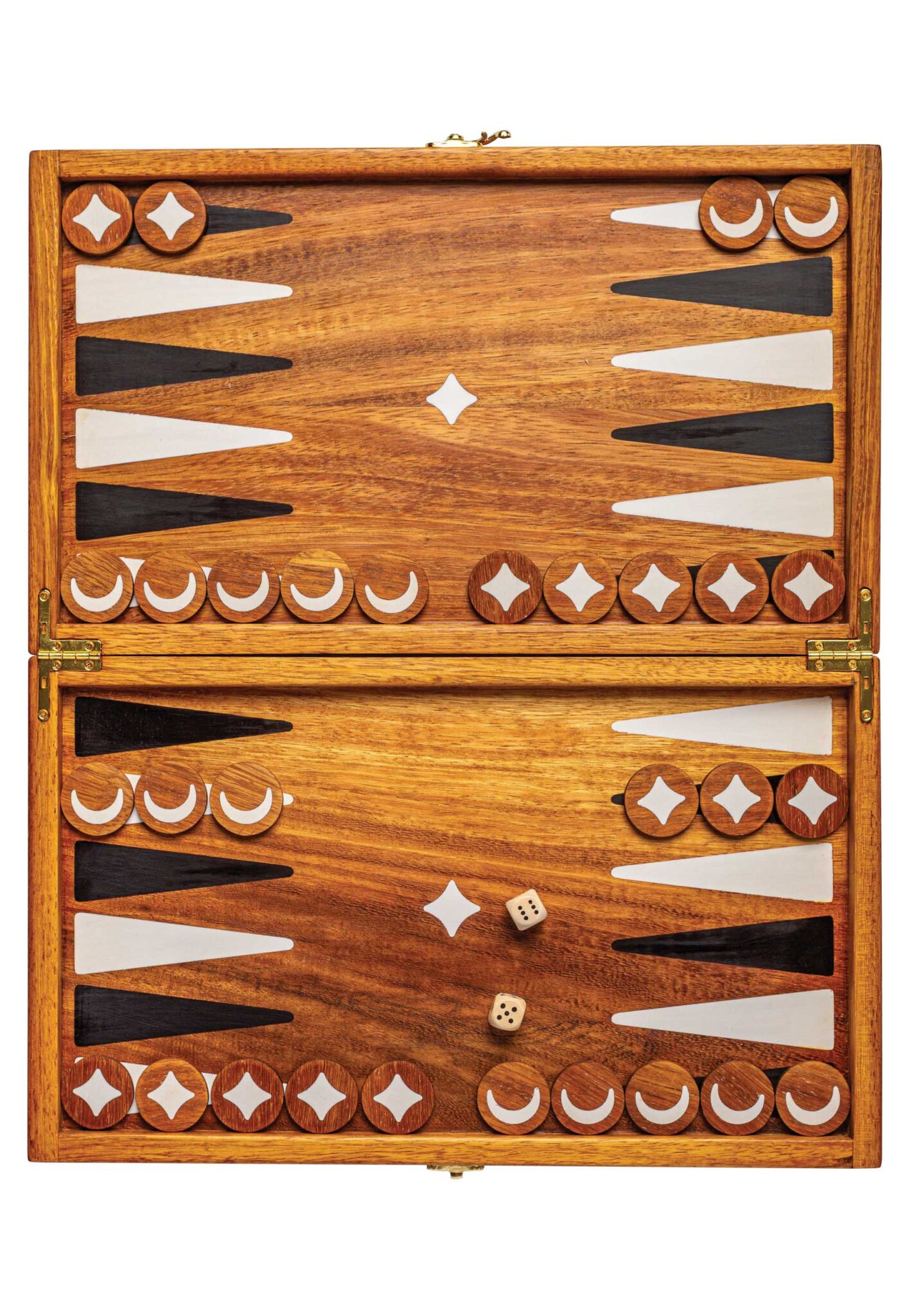
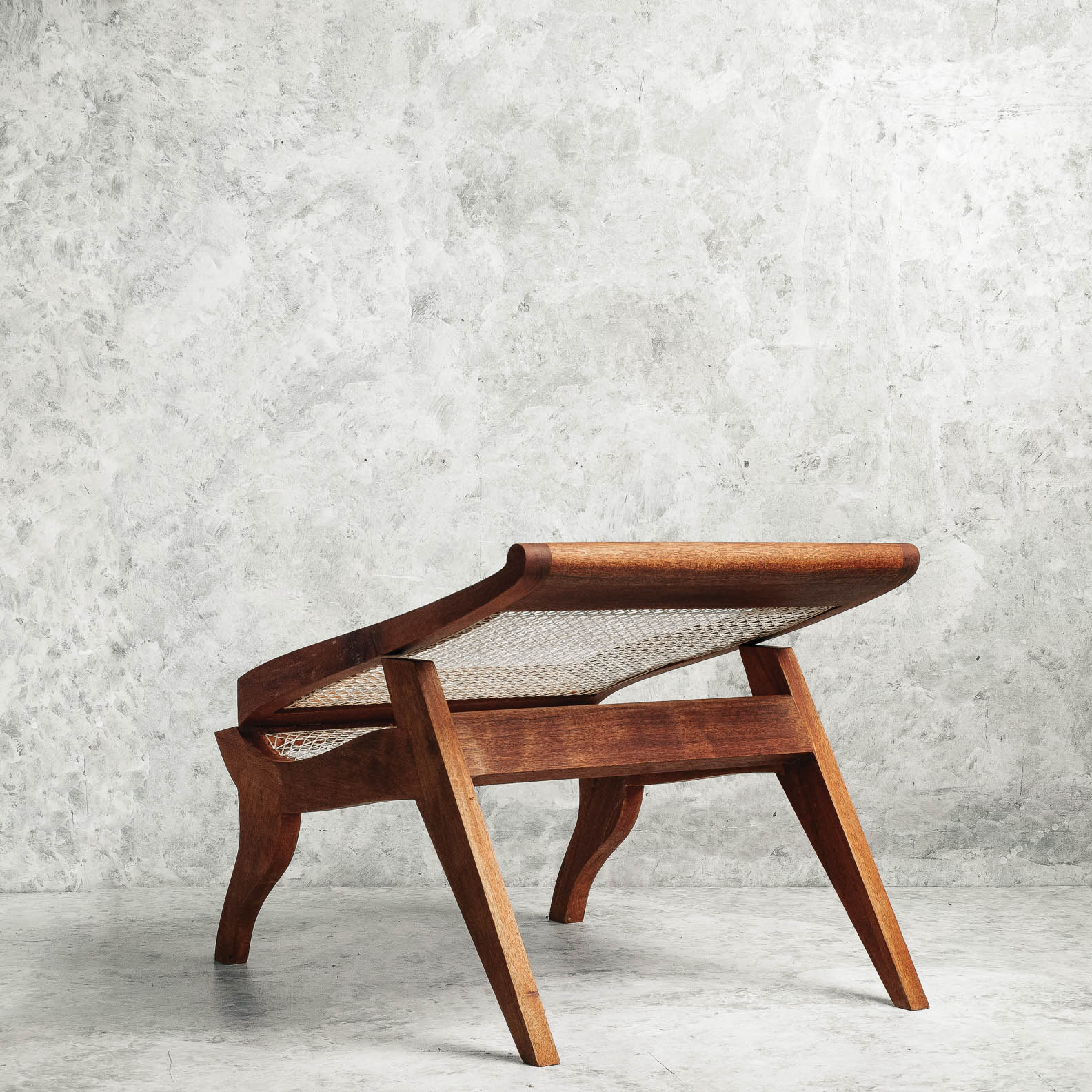
Kenya has a rich woodcarving heritage. We pick elements from our culture and insert them into contemporary design pieces. For example, our mashrabiya chair and side table take a building motif used in Lamu as a means of creating privacy and cross ventilation, and we apply it to design items. We transform something that is an architectural element into a domestic detail.
How do Lamu Island and Swahili traditions enhance your studio’s identity?
I’d say it’s the foundation. Saba Studios was born out of collaboration with Swahili carpenters. Personally, context and surroundings are everything. We borrow from the lifestyle of Lamu that honours craft.
In what ways are your sustainability values reflected in your daily practices and long-term vision?
To us, sustainability means reinvesting in people, training, and tools. It involves passing on knowledge, diversifying material practices, and introducing systems that allow artisans to survive and evolve. We’re conscious of how we use materials. And that’s why we design heirlooms. We design for longevity.
What does scaling mean to you?
One thing I find difficult with scaling is maintaining quality and intention. It’s a balancing act of moving the needle and staying true to your values.
How do you see African luxury and furniture design evolving?
Africa has always been a place for design and luxury. There’s a lot that we offer in terms of culture, heritage, and raw materials. I’m glad we live in the digital age, where there’s more autonomy when it comes to storytelling. The African luxury renaissance is going to come from our own reframing.