

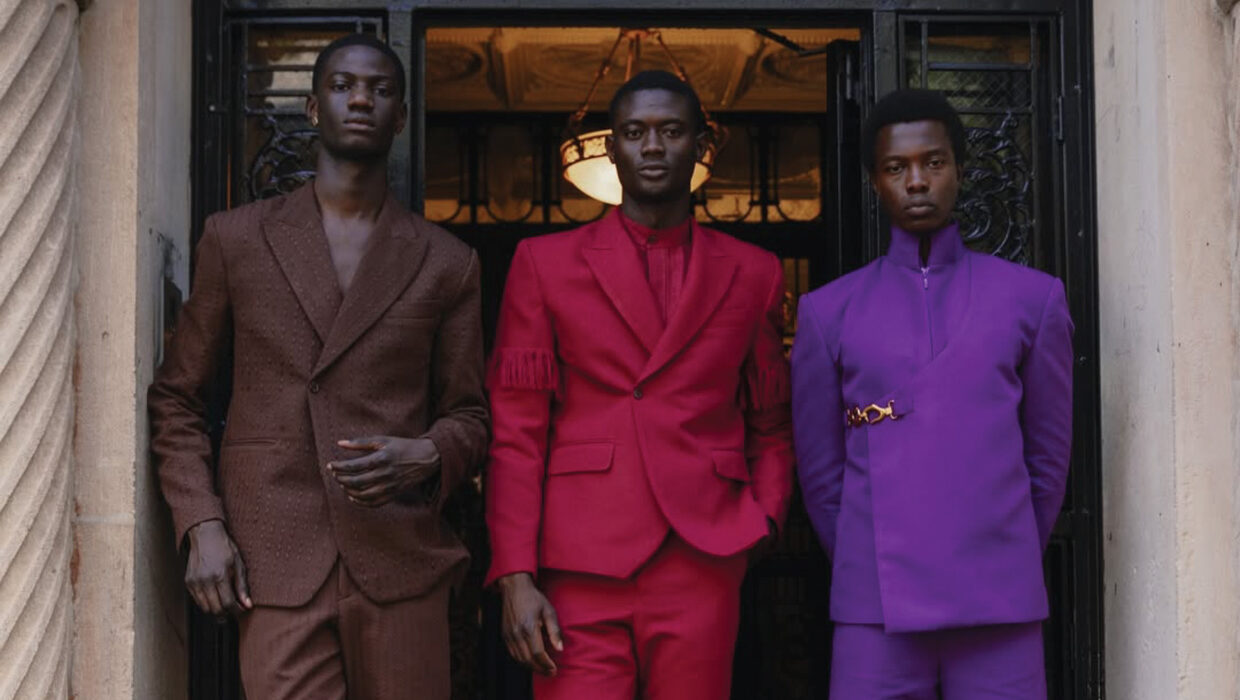
Throughout history, menswear has undergone numerous cycles, shifting from conformity to rebellion to individuality. The early 2000s, for instance, were about baggy jeans and cargo pants. By the 2010s, skinny jeans had taken over, only to be replaced by the oversized fits and the short-lived trend of men’s skirts a few years ago, popularised by brands such as Gucci and Thom Browne, and the likes of A$AP Rocky, Harry Styles, Russell Westbrook, and Brad Pitt.
Fast-forward to 2026, and there’s a growing appetite for flexibility and freedom of expression. We see it every day on television, social media, the streets, and even on the fashion runways that dictate what’s cool and trendy.
Recently, menswear collections have been peppered with bold colours, daring details, unassuming fabrics, and a softer kind of sartorial tailoring that’s different from the rigid and stricter rules of the past.
Whether you prefer experimenting with something new or sticking to the ordinary, there’s something for everyone.
Suits have become less formal, briefcases have been switched for manbags, and classical garments are reimagined into playfully crafted pieces that challenge traditional masculinity. This is the new reality of men’s style. With Milan and Paris Men’s Fashion Week coming up later this month, there’s no doubt that designers will once again capture this growing mood of openness and risk-taking.
African Designers Leading the Conversation
In all of this, African brands are also raising the bar with thoughtfully considered designs. Menswear collections by the likes of ATAFO, Kwasi Paul, MAXHOSA AFRICA, and Tokyo James explore the balance of modern masculinity that’s partly driven by shifting consumer tastes and lifestyles. These names approach design with a culturally sensitive, forward-facing viewpoint that celebrates modern menswear.
ATAFO
The Classic Man
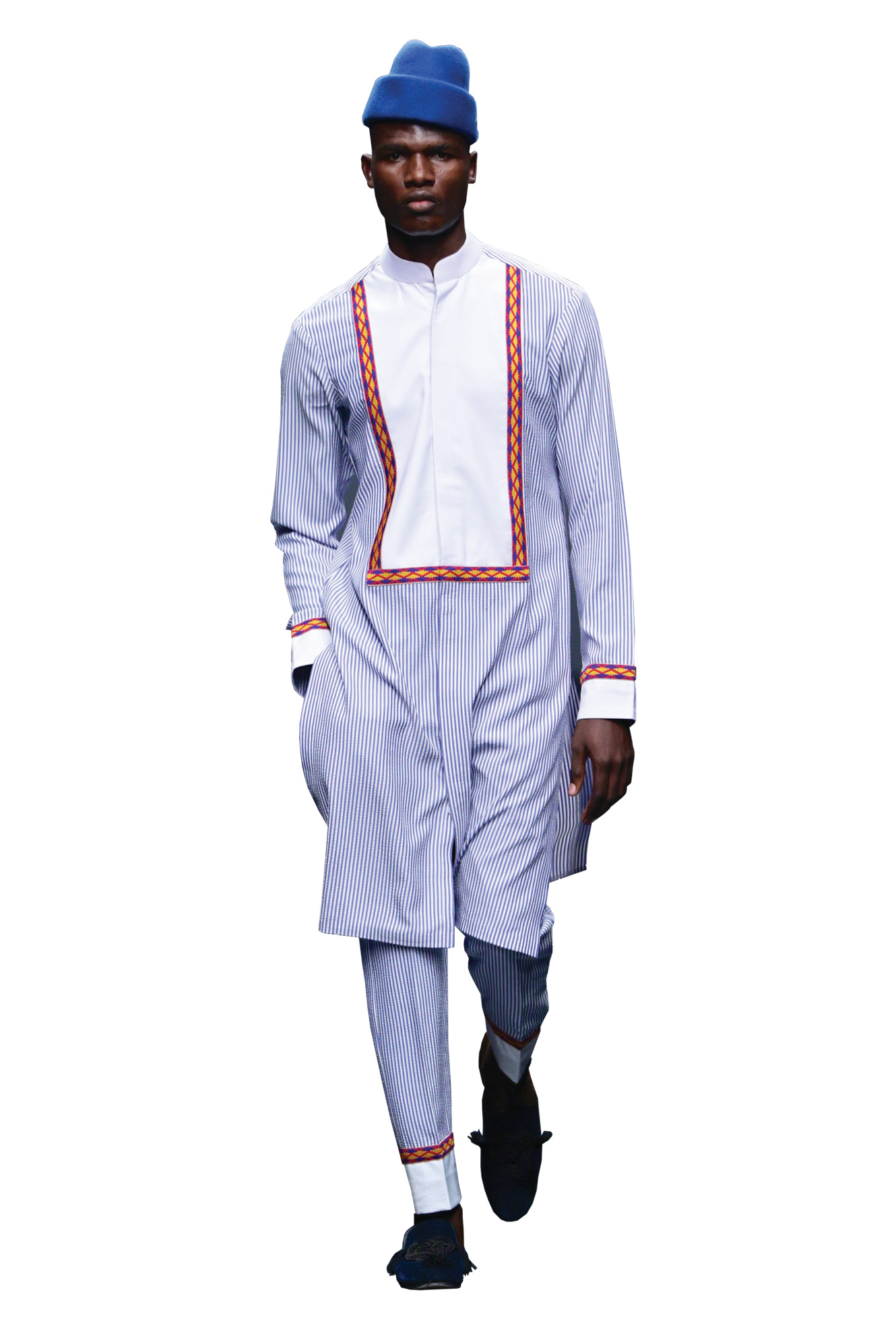

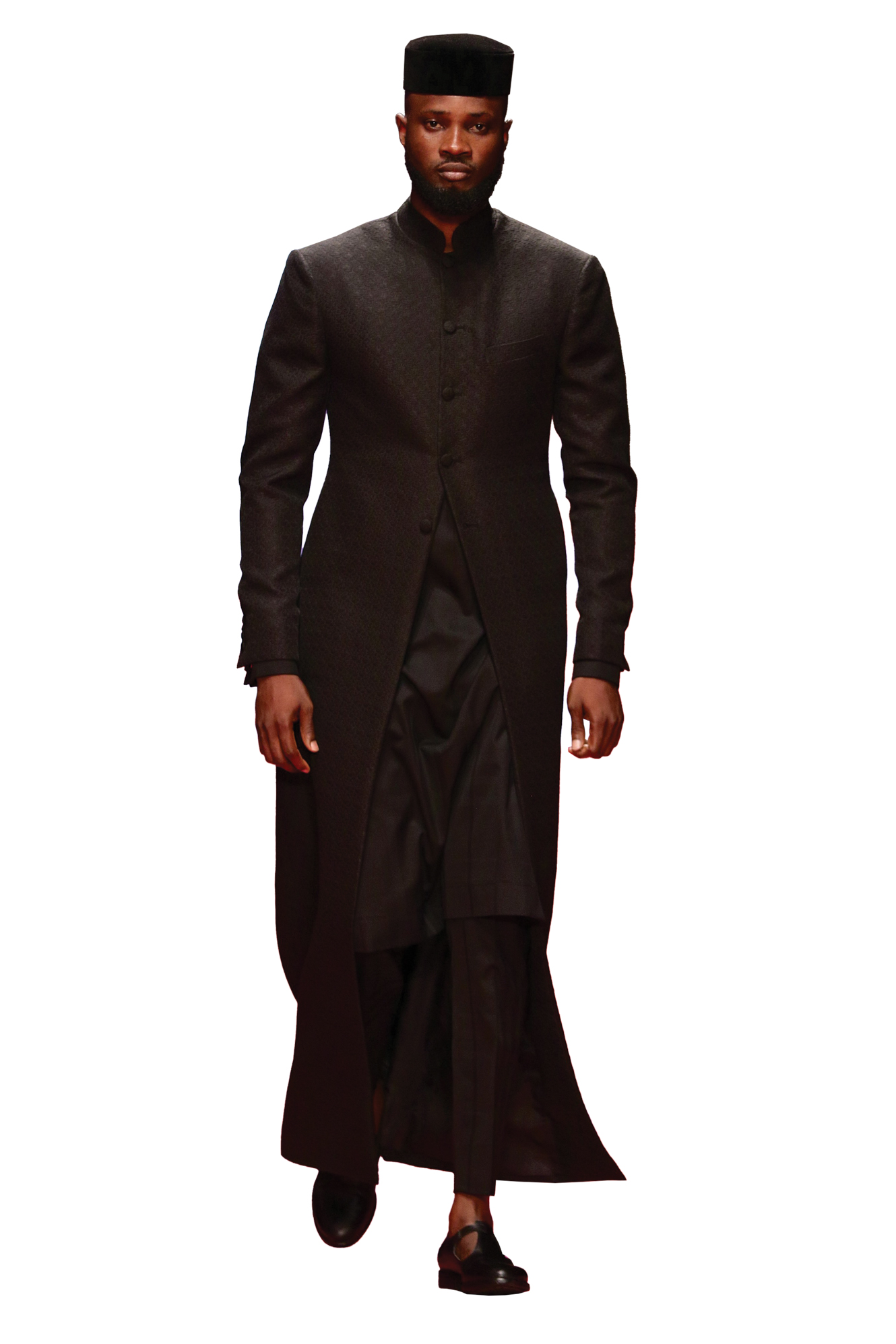
Launched in 2011, ATAFO is a Nigeria-based fashion house renowned for bespoke tailoring. Founded by Ohimai Atafo, the label sits at the intersection of formal garments and Nigerian traditional style. Trained at Savile Row Bespoke Academy in the UK, the collections offer suiting with precision and attention to detail. Tuxedos and pinstripe sets are showcased alongside indigenous regalia such as kaftans and capes.
“There’s a way we do things that is kind of unique to us, and we love it that way,” Ohimai explains to Fab Style. From fitted jackets to hybrid silhouettes like the “traxedo”, the brand explores cultural references as a recurring nod to its West African roots.
The best collections merge sharp tailoring with elaborate patterns and custom pieces that pay homage to the country’s most influential pop culture moments.
But what makes ATAFO special is more than just its impeccable suits. The brand’s ability to reposition ceremonial dressing into a contemporary framework has helped shape itd design language and attract some of the biggest Nigerian celebrities, including TV personalities Ebuka Obi-Uchendu and IK Osakioduwa.
Kwasi Paul
The Youthful Archetype

Formed in 2021 by Samuel Boakye, Kwasi Paul is a new voice in menswear, exploring a diasporic narrative between Ghana and the USA. Designed between these two countries, the brand celebrates the future of fashion while honouring the past through textiles, memory, and music. In an interview with Essence, Samuel said, “I didn’t know too much about my ancestral background and roots, and I’m just curious about the future of the world and what that looks like for the people of the diaspora.”
Fuelled by that curiosity, the designer weaves jackets from Ghana’s fugu cloth and produces suits which are embellished with cowrie shells. Elsewhere, shirts are draped to elegantly cascade over the torso – another reference to his Ghanaian roots, in which the Akan tribe effortlessly envelope their bodies in vivid, royal fabrics.
Samuel’s passion for music also manifests in his collections: both literally and as an attitude. It’s in the way his garments flow and fit the body. The unspoken energy of wearing a 1970s-inspired suit redesigned for the 21st century, and in his exploration of shape and form.
A wavy lapel here, wide-leg trousers there, and subtle embellishment of old family photos and memorabilia in buttons. These are clothes designed to be soulful and fun. It’s this thoughtfully layered approach that has attracted the likes of American actors Keke Palmer and Caleb McLaughlin, as well as Nigerian singer-songwriter Patoranking as admirers.
MAXHOSA AFRICA
The Cultural Provocateur

Based in South Africa, MAXHOSA AFRICA was started in 2010 by Laduma Ngxokolo. The brand draws from Xhosa culture, ranging from its energetic geometric patterns and beadwork to its symbols. MAXHOSA’S consistency and commitment to craftsmanship and quality pieces have made it one of Africa’s leading brands, with multiple luxury stores across South Africa and a growing presence in big fashion cities like Paris and New York.
What began as a small menswear knit brand for amakrwala (initiated Xhosa men) who’ve transitioned from boyhood to adulthood through a traditional ceremony, has transformed into a fully-fledged, globally renowned high-end knitwear brand.
Bringing South African traditions to the global and mainstream fashion stages of the world, MAXHOSA’S collections explore formal dressing through relaxed silhouettes and athleisure-coded elements. The autumn/winter 2026 collection, for example, debuted at Paris Fashion Week with a series of luxe tracksuits, polo shirts, off-duty suits, and accessories in contrasting motifs, vibrant logos, and eye-catching shapes that celebrate Xhosa aesthetics. The brand continues to champion a uniquely South African look.
Speaking to Vogue about the new collection, Laduma says, “My aim is not to be more readable to Western, European cultures. I don’t want to blend in and be lost in translation.”
Tokyo James
The Trendsetter


British-Nigerian designer Tokyo James established his eponymous brand in 2015 primarily to challenge traditional menswear. Pushing the boundaries of tailoring by manipulating its foundational and familiar principles, his designs are striking with eccentric details and experimental fabric combinations. In Tokyo’s words to Metal magazine, his collections are meant to “be bold without being aggressive (and) expressive without becoming chaotic.”
His modern vision for menswear focuses on innovative craftsmanship to conceptualise visually striking garments that are rich in texture, colour, and meaning. With a commitment to craft, beadwork and interlacing are recurring fixtures of Tokyo James’ collections.
Offering a youthful vibe, jackets are transformed into statement pieces through elaborate handweaving. Suits and trousers come with beading, and construction is challenged through texture, fabric weight, and technique as the designer explores the duplicity of his British-Nigerian heritage.
Images: Supplied


