

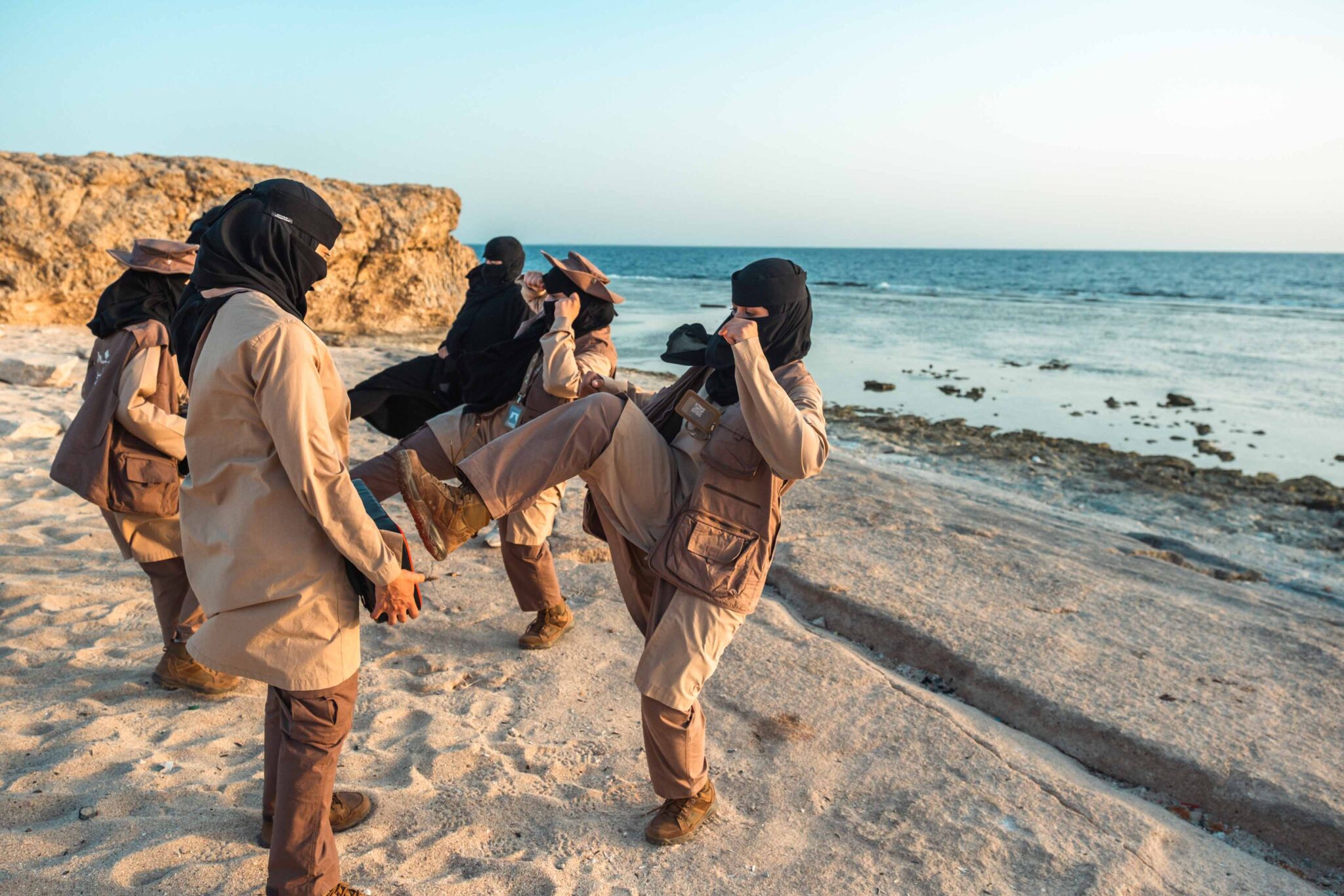
In north-western Saudi Arabia, an ambitious environmental renaissance is quietly underway. Spearheaded by the Prince Mohammed bin Salman Royal Reserve — one of eight Royal Reserves — this transformative rewilding project is redefining conservation in the Middle East, restoring ancient ecosystems, protecting marine life, and now even rewriting the narrative on gender roles in environmental stewardship.


At the heart of this rewilding revolution is a 24 500 km² protected area that spans volcanic lava plains to the shimmering coastline of the Red Sea. Although it represents only 1 per cent of the Kingdom’s land area and 1.8 per cent of its marine area, the Reserve is home to more than half of Saudi Arabia’s plant and animal species. It serves as a sanctuary for rare and once-vanished wildlife — from the Arabian oryx and sand gazelle to the Persian onager. These reintroductions form part of a vast conservation vision aligned with Vision 2030 and the Saudi Green Initiative, aiming to protect 30 per cent of the Kingdom’s land and sea by the end of the decade.
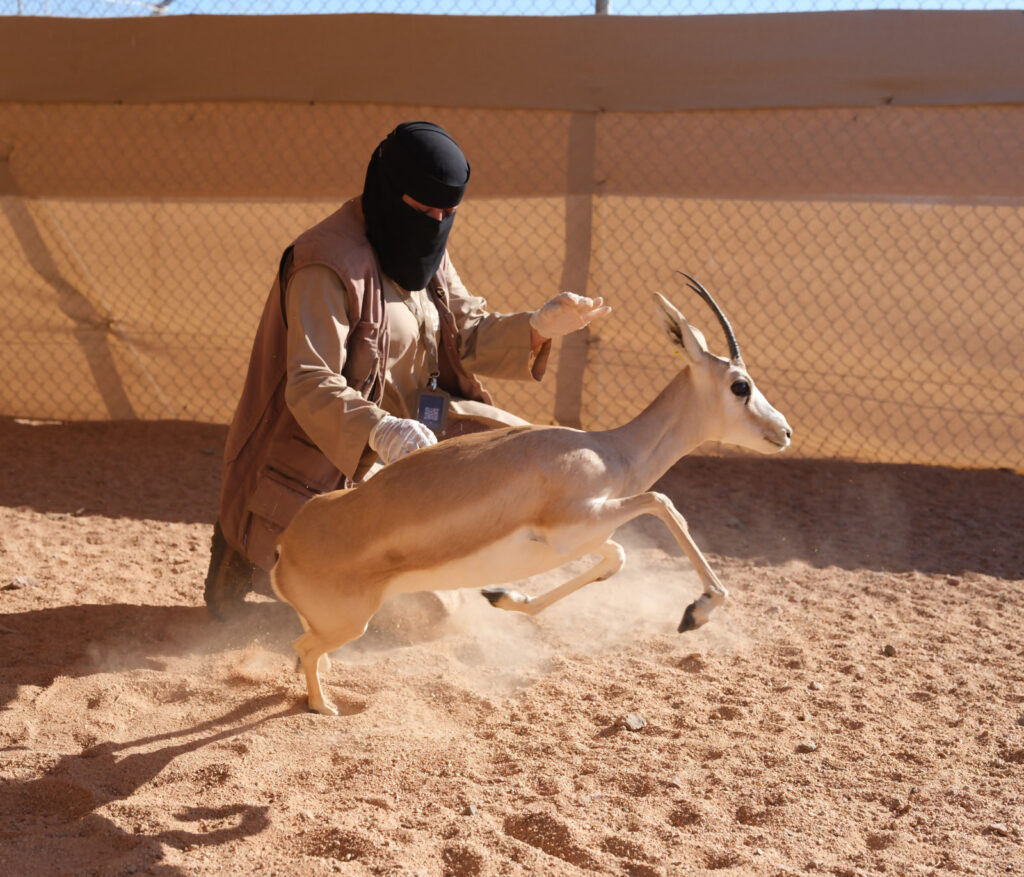
But it’s not just flora and fauna being restored — it’s opportunity and access too. “The conservation industry globally is known for gender imbalance, which is even more pronounced in the marine sector,” says Andrew Zaloumis, Reserve CEO. “When we recruited the first ranger corps in 2022, we encouraged women to apply.”
Since then, women have worked in mixed patrol teams on land and now make up 34 per cent of the Reserve’s 246-strong ranger force — almost triple the global average for female rangers and just shy of the national Vision 2030 target for women in the workforce.


However, until recently, barriers such as limited access to swimming education kept women out of marine conservation roles. That changed in July 2024, when the Reserve introduced a specialised swimming and marine training programme. One year later, the first cohort of seven fully trained female sea rangers now patrol its Red Sea coastline, working side by side with male counterparts and the Border Guard to protect the Kingdom’s marine wealth. This makes the Reserve the first in the Middle East to have both female rangers as well as female sea rangers.

Stretching across 170 km of coastline, the Reserve’s waters are rich in ecological significance. Here, 64 per cent of Saudi Arabia’s coral species thrive, along with hawksbill turtles, spinner dolphins, dugongs, and whale sharks. The female marine rangers navigate these waters aboard custom-designed patrol boats, safeguarding not just biodiversity but also a vision that balances ecological restoration with empowerment and inclusion.


“The training programme highlights the rangers’ dedication and discipline to learn new skills,” says Dominique du Toit, Senior Regional Manager and architect of the marine training programme. “This has been, and remains, an incredible accomplishment, and these rangers can be proud of the challenge they have overcome.”

For eco-conscious travellers, the untouched landscapes and sheer vastness of the Prince Mohammed bin Salman Royal Reserve are a major drawcard. But they also offer a glimpse into the future of luxury travel — regenerative, inclusive, and deeply connected to place. This is luxury travel with a conscience, where protecting nature is the ultimate indulgence.


