


There was a time when entering a private members’ club meant stepping into a coded ritual. Heavy doors, strict dress, a knowing nod to lineage. Today, those same thresholds open into spaces curated not just for affluence, but for creativity, purpose, and connection.
Wealth still whispers, but it no longer speaks alone. Now, the currency is attention, imagination, and the ability to contribute to a broader cultural conversation.
Across cities from Johannesburg to Dubai and Cape Town to New York, private members’ clubs are transforming, reflecting a global craving for connection with intention.
Beneath the chandeliers of Johannesburg’s Rand Club, the past still glimmers, even as the city’s bureaucracy threatens to dim the lights. A disputed rates revaluation has steepened its costs, yet the chandeliers still burn above evenings of music, wine, and debate. Proof that heritage can evolve without losing its lustre.
In South Africa, a new wave is already moving. Women-led, pan-African spaces such as the Circle and The W Club are redefining belonging; not by pedigree, but by culture, creativity, and lived purpose. These are clubs where collaboration outranks convention and influence is measured by what you build with others, not just what you own.
Membership still involves discernment, but the lens has widened. Community now matters as much as credentials.
What’s on offer now is decadent in its subtlety: worlds that celebrate art, design, and the culinary arts, but also dialogue. Privacy that invites not isolation but encounter. Membership opens access to the best creatives and business minds worldwide.
Walk through the lobby of one of these modern clubs and you might catch a curator debating an upcoming show, an investor chatting with a filmmaker, or a designer sketching ideas over a signature cocktail. The velvet rope remains, but its purpose has changed. It now frames a world where time, taste, and togetherness become the real luxuries.
Cape Town Club
Founded in 1858, the Cape Town Club carries its history lightly. From its gabled façade on Queen Victoria Street, the building stands with quiet poise amid the vertical rhythm of downtown. The scent of polished wood and the measured echo of shoes on marble recall another era, yet the atmosphere within feels distinctly alive.
Evenings bring curated tastings, live music drifting from a tucked-away room, and gatherings that spark conversation around art and ideas – bridging the city’s old guard and its restless new.

The membership has broadened: younger faces, varied professions, and a wider sense of what community can mean. There’s less hierarchy now and more cross-pollination, an ease that allows different worlds to meet without ceremony. General Manager Phil Thurston sums up the shift: “Diversity is at the heart of what we want the club to be.”
The club has learned that tradition endures best when it remains porous. Here, history listens as much as it speaks. It adapts, holding its tone, while new voices join the chorus.
thecapetownclub.co.za
Soho House, Global Reach
When Soho House opened in London in 1995, it flipped the script: wardrobe codes loosened and membership criteria shifted from inheritance to imagination, from lineage to contribution. The formula proved contagious.

From Berlin to Bangkok, the houses that followed offered a familiar refuge: interiors rooted in vintage comforts and tailored design, soft lighting, and textured surfaces creating an atmosphere of ease rather than ostentation.
In these rooms, the private club ceases to be a retreat and becomes a living space. It serves as a contemporary forum for a generation that mistrusts hierarchy but values discernment. It’s proof that community, when carefully composed, can still feel exclusive without being exclusionary.
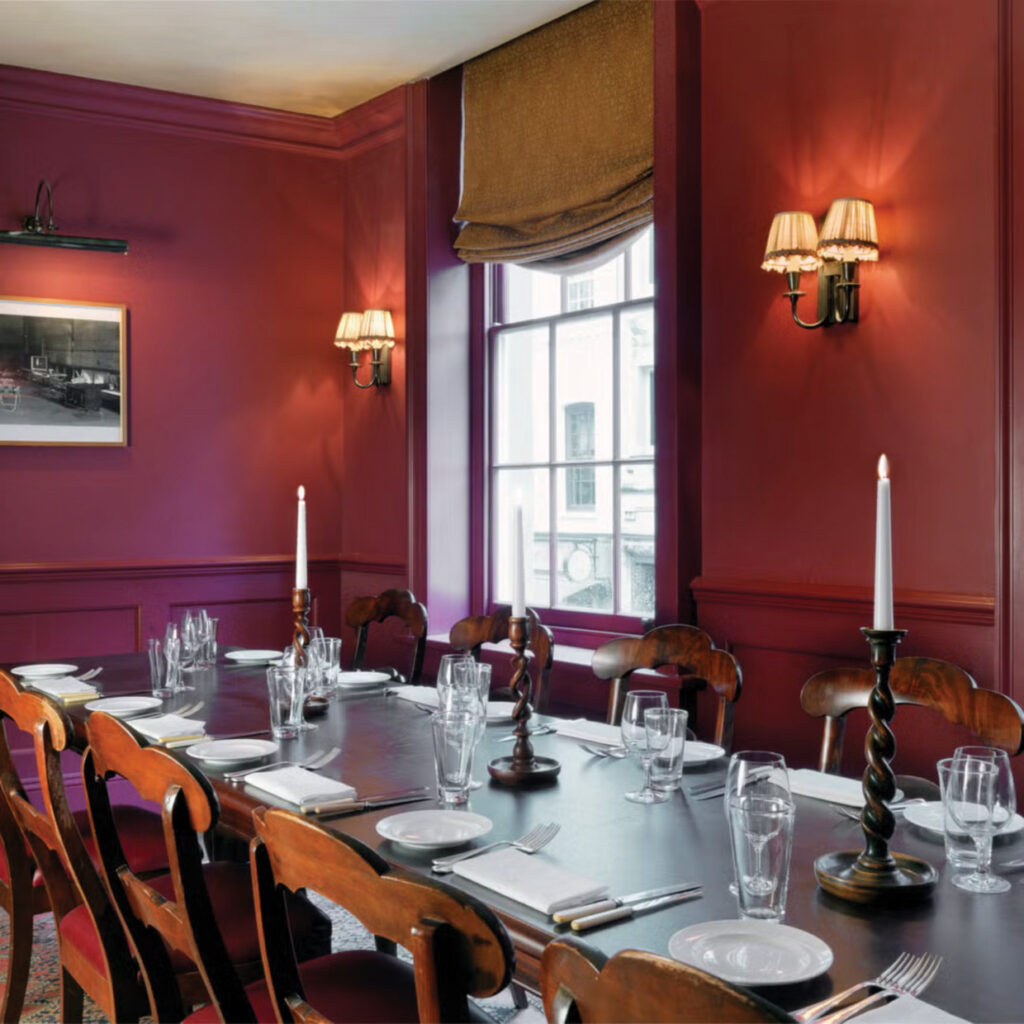
That spirit extends to Johannesburg, where Soho House’s Cities Without Houses (CWH) model brings its globally plugged-in philosophy to life. Curated by Zanele Kumalo, the community gathers across the city for art dinners, design collaborations, and cultural salons. Here, a club can thrive without walls, connecting creative talent to opportunity and platform.
sohohouse.com
Zero Bond, New York
New York’s Zero Bond occupies a subtler register of luxury. Conceived by Scott Sartiano, a fixture of the city’s hospitality scene and founder of some of its most recognisable venues, it opened in 2020 on Bond Street behind a discreet façade.

“I wanted to create an elevated environment and thought the 28- to 50-year-old bracket was under-represented in New York when it came to social options,” says Scott.
The interiors, by designer William Sofield – long associated with Gucci and Tom Ford – balance art and understatement. The mood is sleek, contemporary, and unmistakably design-forward, a space pitched exactly between deal and repose.
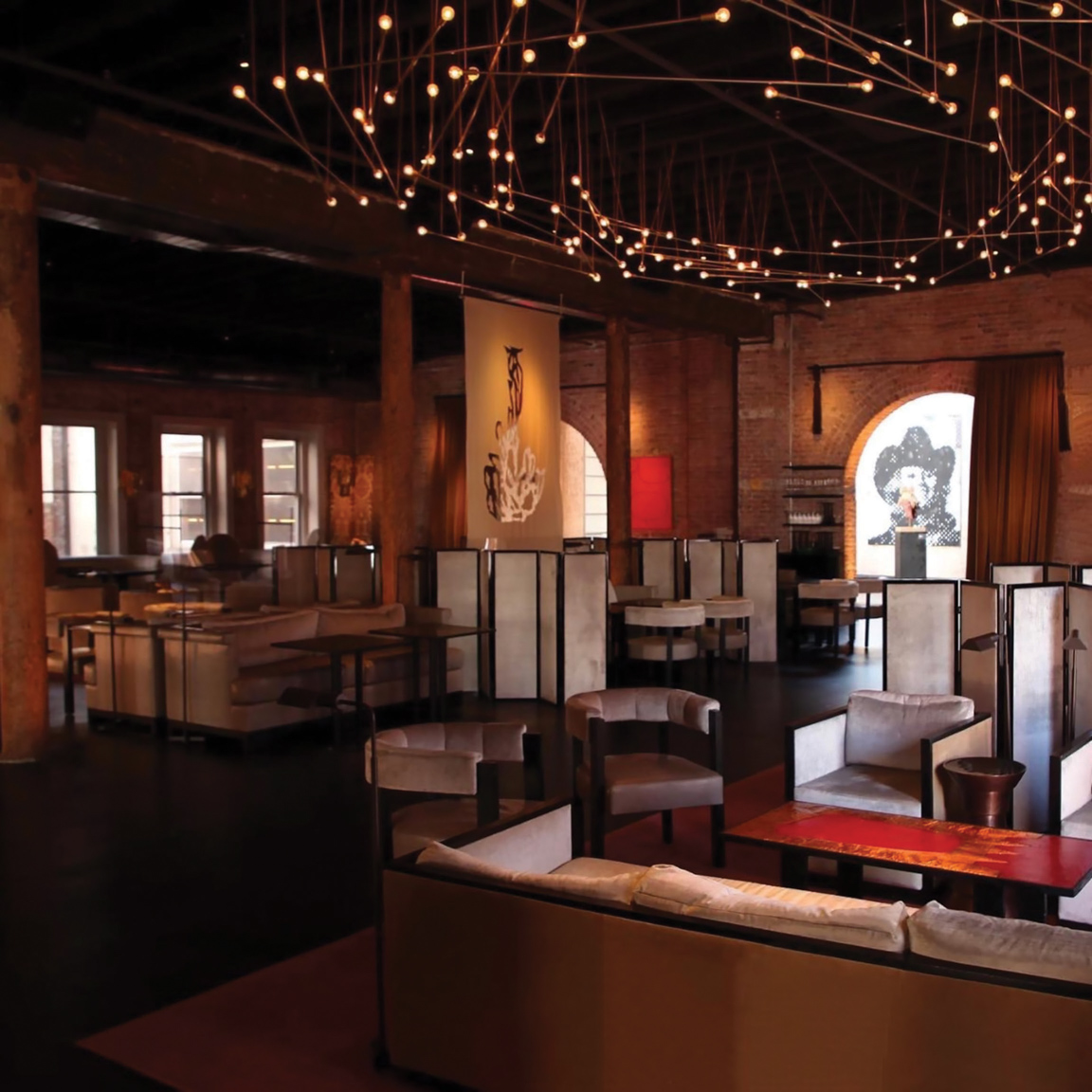
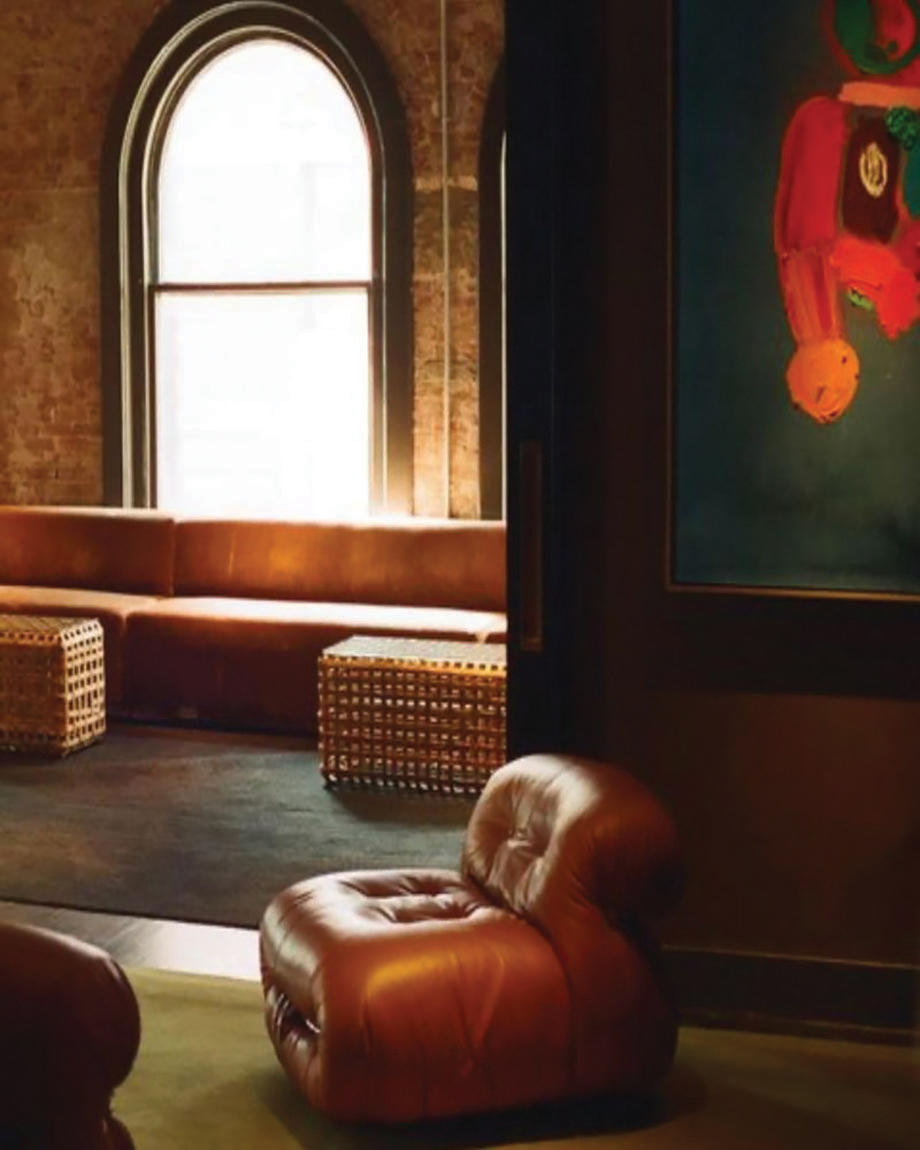
Inside, phones are discouraged, conversations flow, and the atmosphere is calibrated for those who no longer need to be seen – they prefer to connect. From tech founders to actors to civic leaders, with Taylor Swift and current New York Mayor Eric Adams counted among its membership, the club’s magnetism lies in its restraint. Influence travels fastest when unannounced.
zerobondny.com
Capital Club Dubai
Set within the Dubai International Financial Centre, the Capital Club operates at a literal and symbolic intersection. Outside, glass towers pulse with the rhythms of commerce; inside, the tempo softens into dialogue. This is where senior business leaders, investors, and creative minds converge on an equal footing, drawn together by the ambition and hospitality of the city.

Executive Chairman Hussain Sultan Al Junaidy says: “Capital Club Dubai is more than a business venue; it is a home away from home. The Club is committed to cultivating a sense of belonging and camaraderie that transcends traditional networking.”
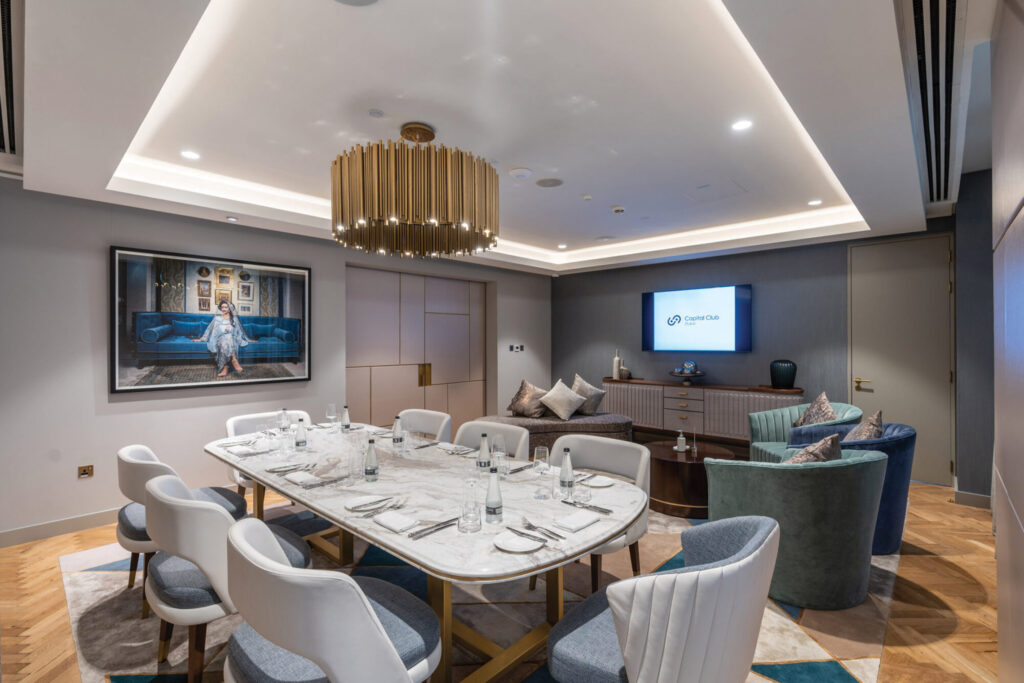
Panels on sustainability, private art previews, and cross-sector dinners make collaboration tangible. In Dubai, the modern club reveals itself as a translator between worlds that too rarely meet – commerce and culture, East and West, speed and reflection.
The Capital Club shows that the modern members’ club, at its best, is not a retreat but a meeting point: a stage for civility in a time of fracture, a reminder that diplomacy often begins not in a boardroom, but over tea infused with cardamom and intent. capitalclubdubai.com


