“Seeing a design piece come to life is my favourite part of the work,” says Cherie Njeri Kihato, founder of the Nairobi-based design studio Savannah Space. Born and raised in Kenya, she launched the studio in 2018 after studying politics and philosophy in the United Kingdom.
Rooted in craft traditions, Savannah Space reflects her vision of positioning Kenya as a global leader in design, alongside fellow Kenyan brands like Saba Studios and Dumont. “Beautiful things can come out of this continent,” she says.
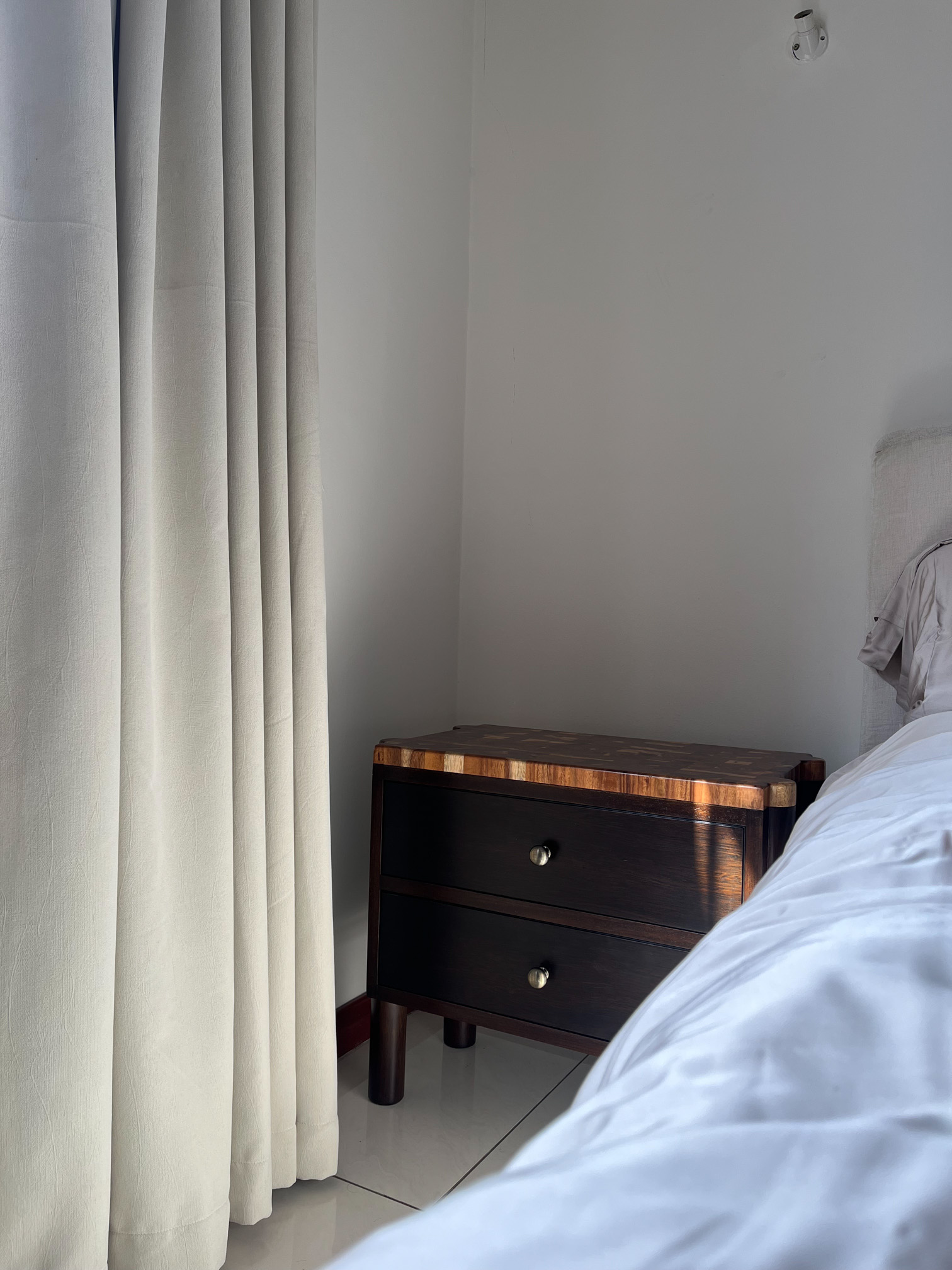
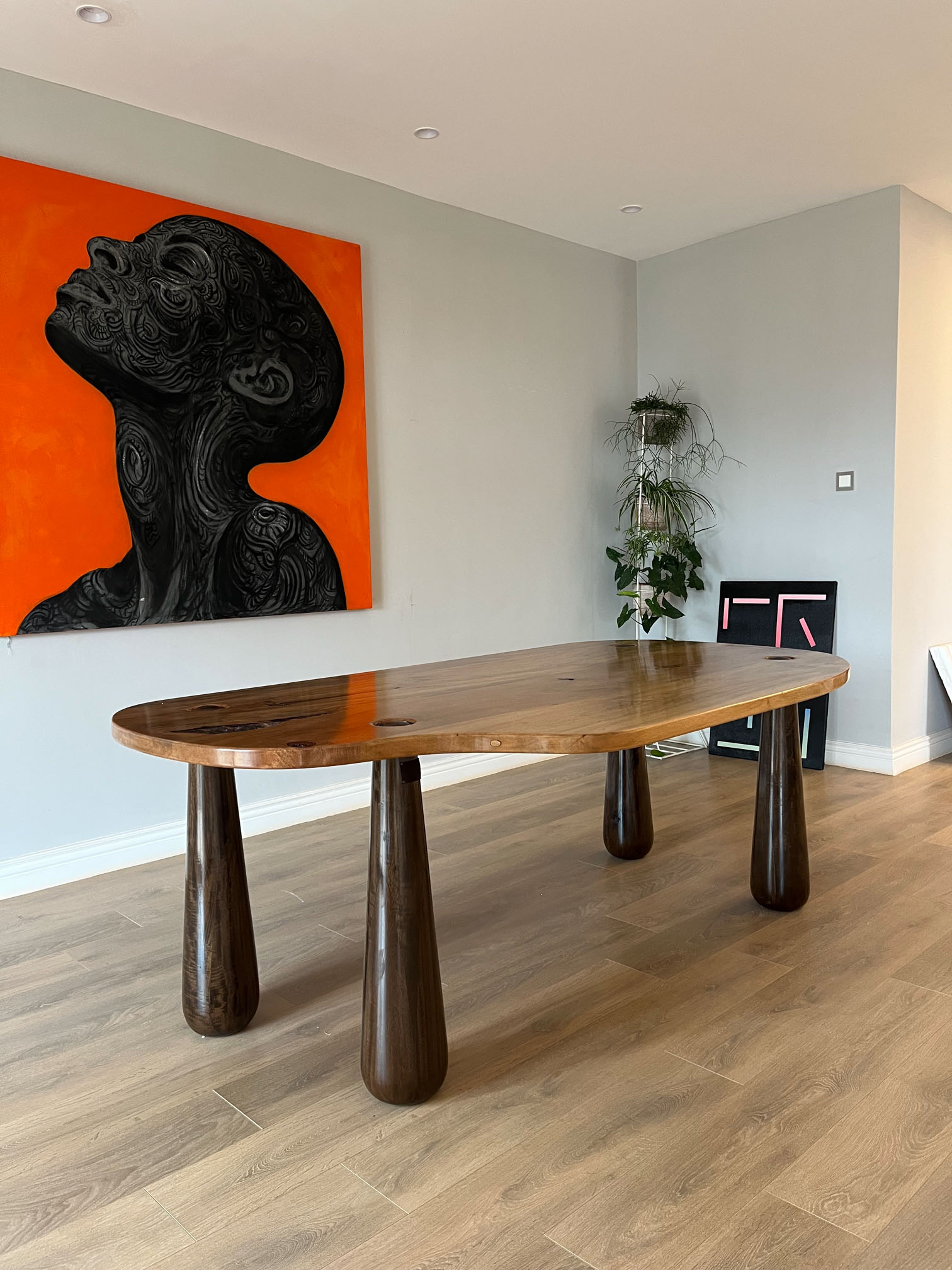
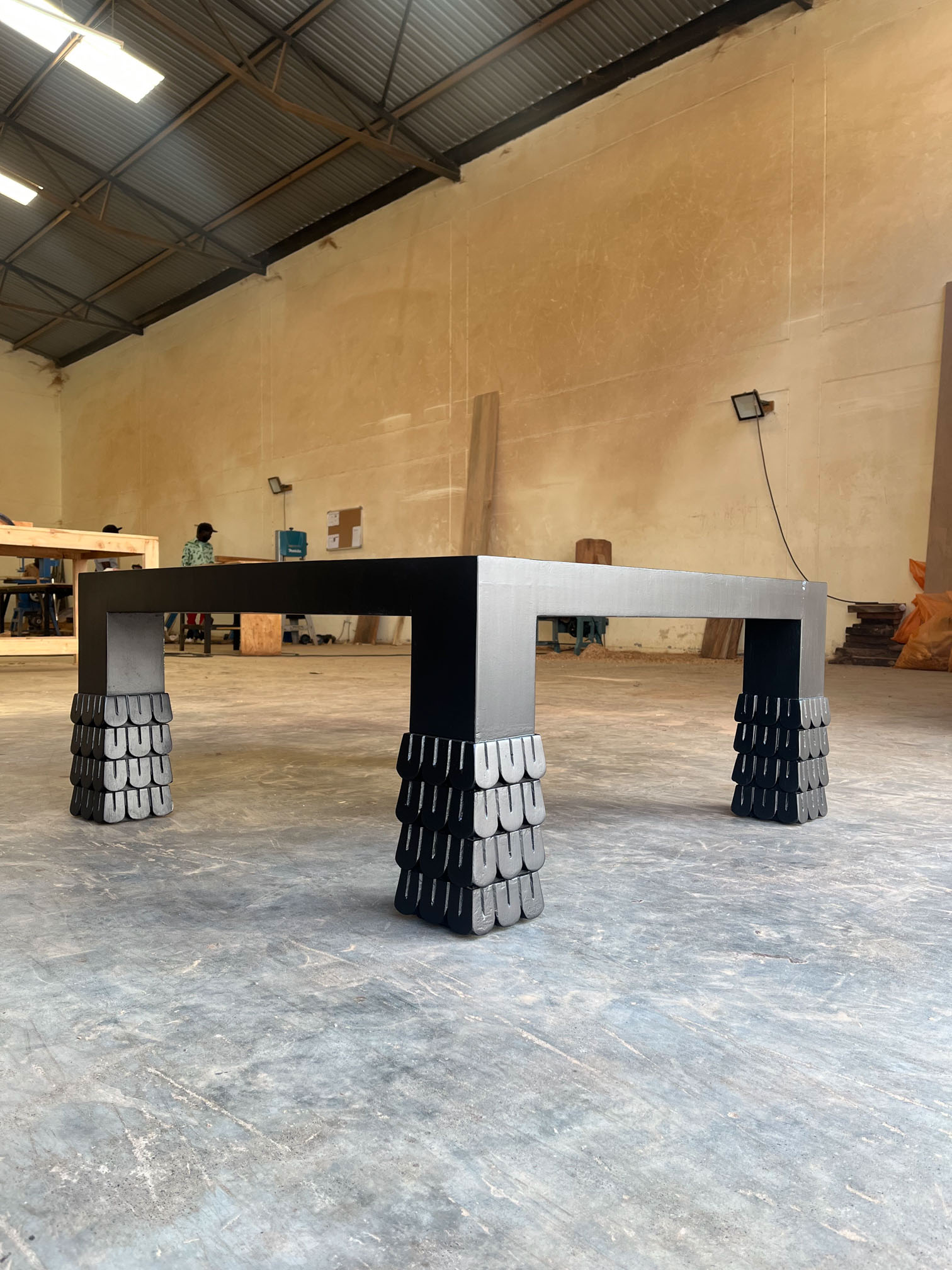
Her furniture pieces blend sleek, minimalist lines with the striking, intricate patterns of Swahili architecture. Handwoven carpets, towering floor lamps, and cowrie-patterned tables come together to convey a quirky playfulness.
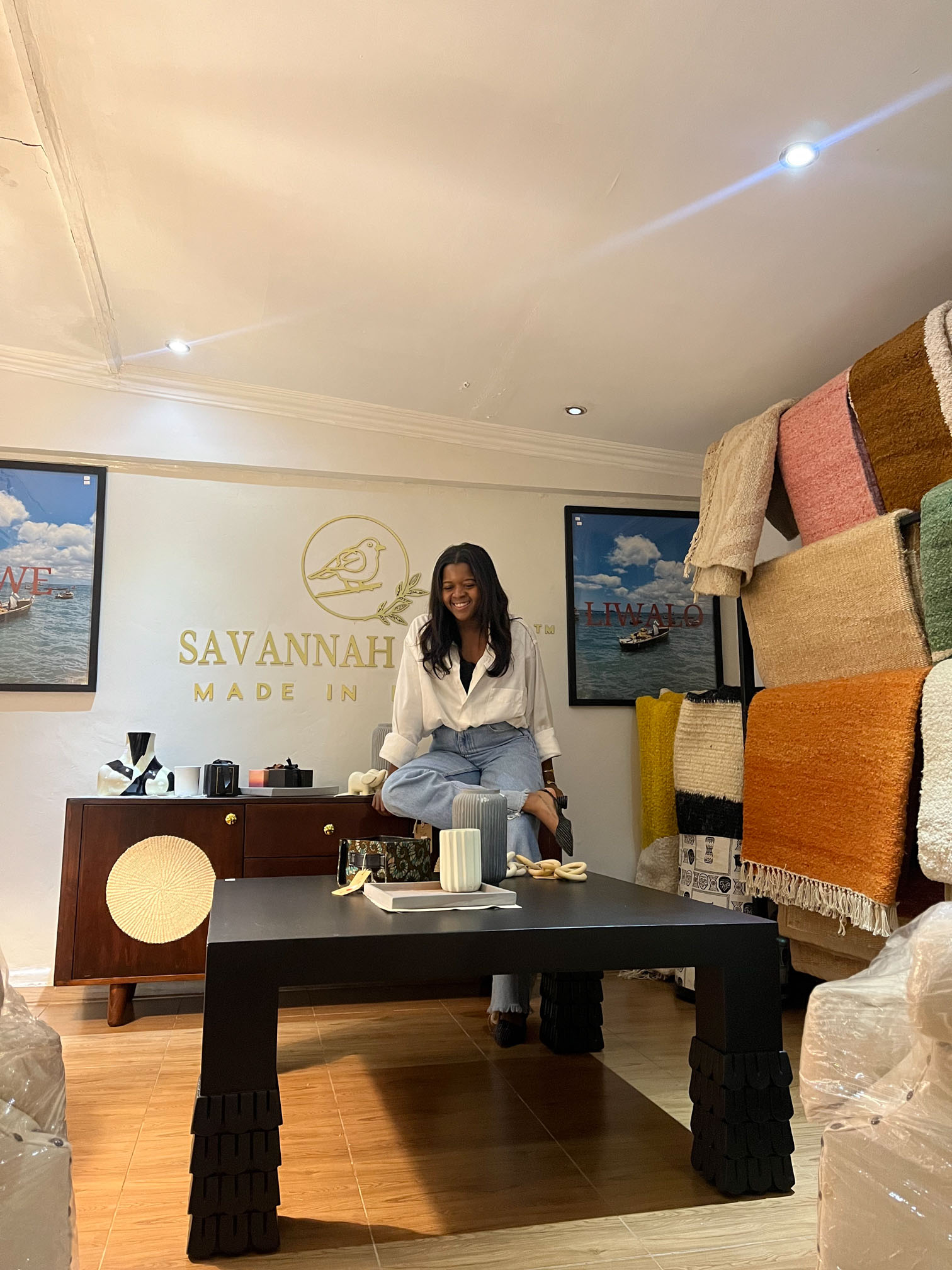
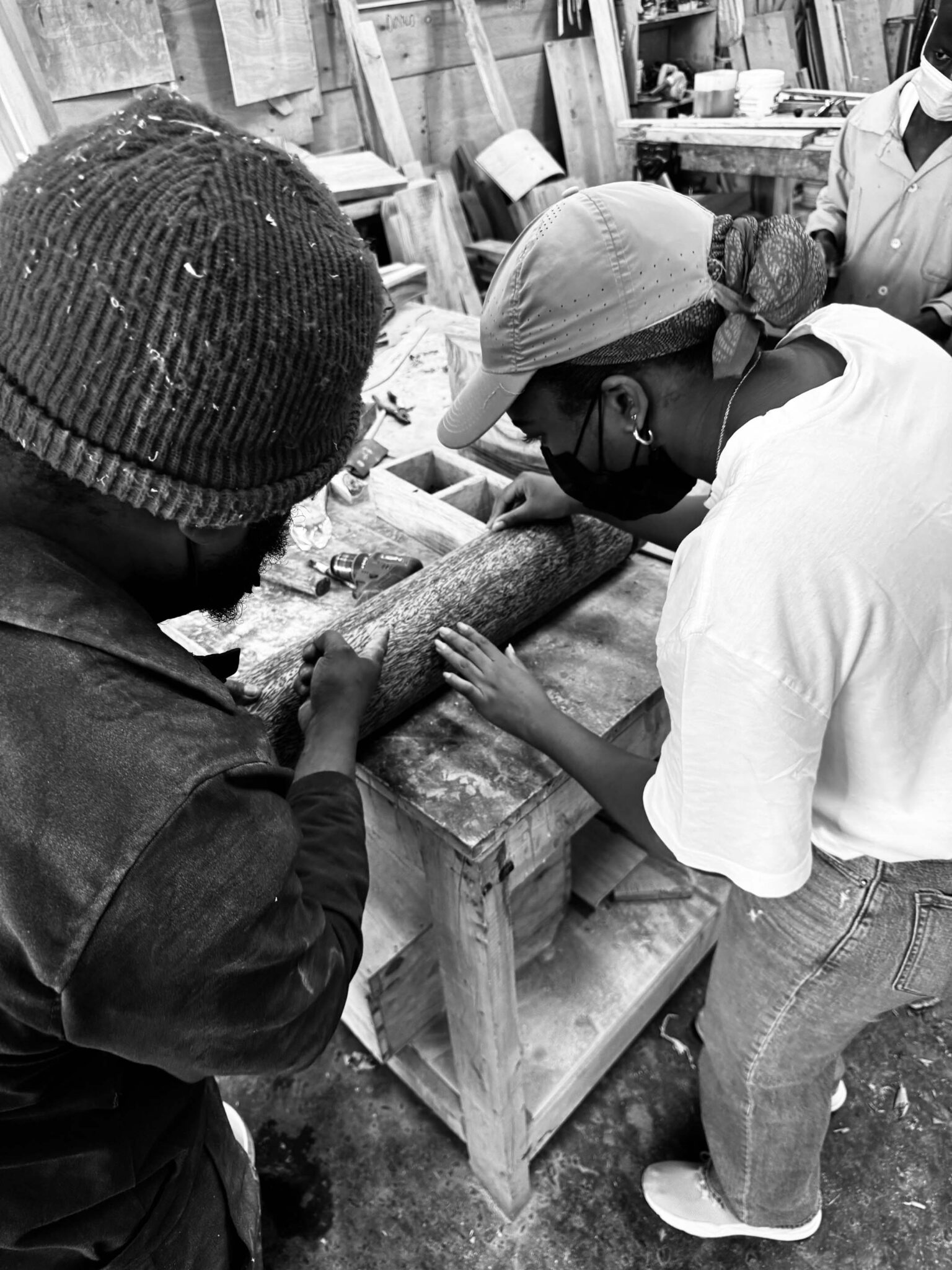
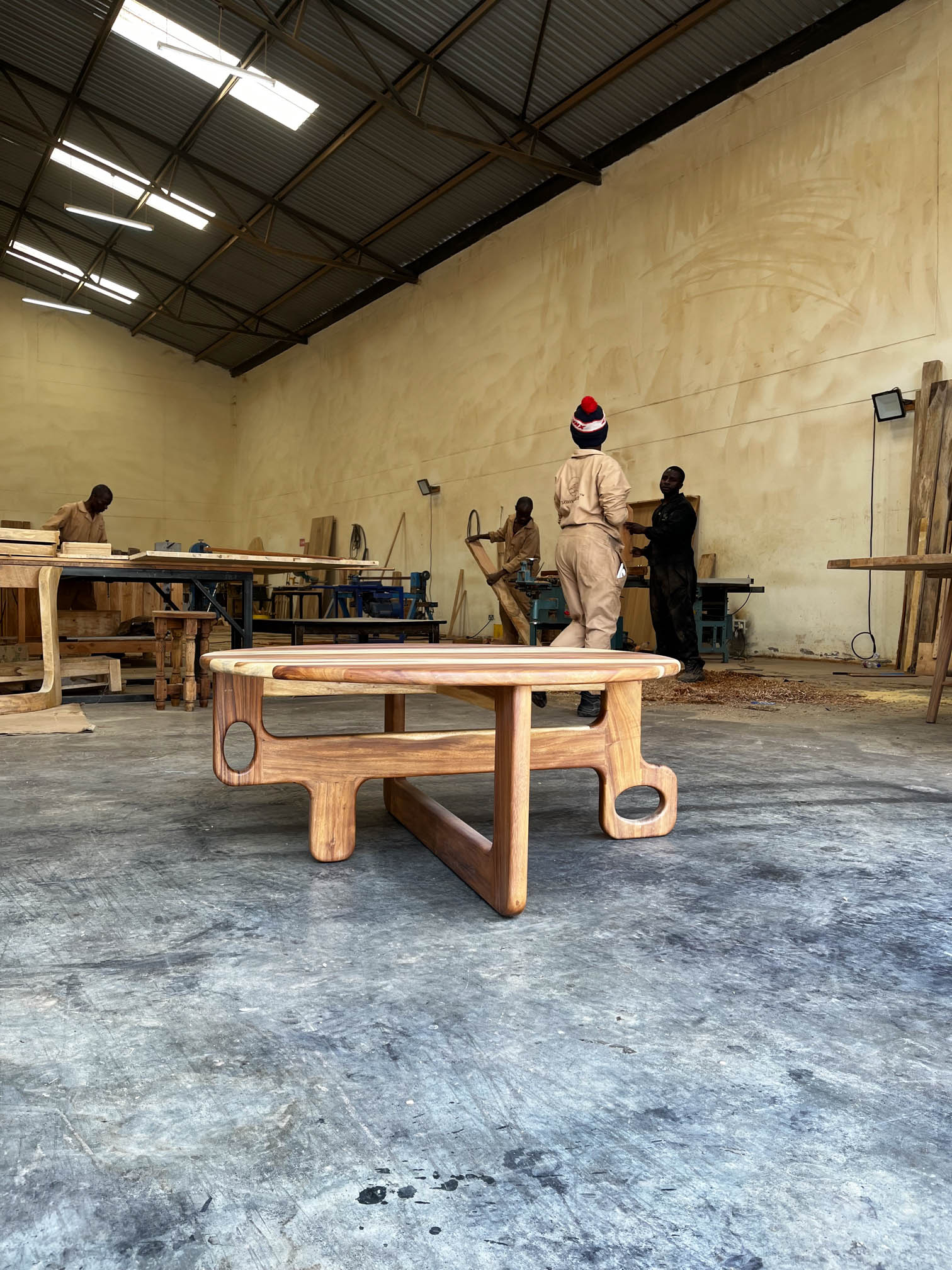



Here, Cherie discusses her creative journey, from working with artisans to storytelling on social media.
YLA: You’ve been publicly documenting your apartment decorating journey. How’s that going?
Cherie: It’s good. It’s a slow process. I think a home should be curated over time, with a collection of meaningful pieces. I like to take my time, and I’m enjoying it.
YLA: What role does social media play in building Savannah Space?
Cherie: I like creating content and sharing the behind-the-scenes story of Savannah Space. Social media is how we got our name out there, and it’s what put us on the map in Kenya. We also attract a significant number of clients through it, so it plays a crucial role in the growth of our business.
YLA: At what point did design start to feel like something you wanted to pursue professionally?
Cherie: I’ve always been a creative writer. I thought I’d go into writing or work with NGOs because of my educational background. But God led me to design. It came like waves or a rush — I had this vision to start a brand that employs Kenyan artisans and produces locally.
YLA: How does Nairobi influence your aesthetic?
Cherie: It’s the people of Nairobi, and the people I work with. Kenyans are not afraid to learn new things; we are open-minded, and that gives us a different perspective when appreciating cultures and ideas. I also get a lot of inspiration from nature.
YLA: What principles guide your approach to design?
Cherie: It’s important that our team is involved in the design process. When people come together, it always makes for a better product. We’re also dedicated to honouring the story behind each piece, especially if it draws from traditional African crafts, practices, and textiles.
YLA: How do you combine beauty with function?
Cherie: It’s something I still struggle with. I’m still trying to figure that out. We typically make functional pieces, but sometimes we’re drawn to more artful designs, where form doesn’t necessarily follow function. That said, I’m not making furniture solely for myself; I always have to consider my clients.
YLA: What’s your favourite thing about your work?
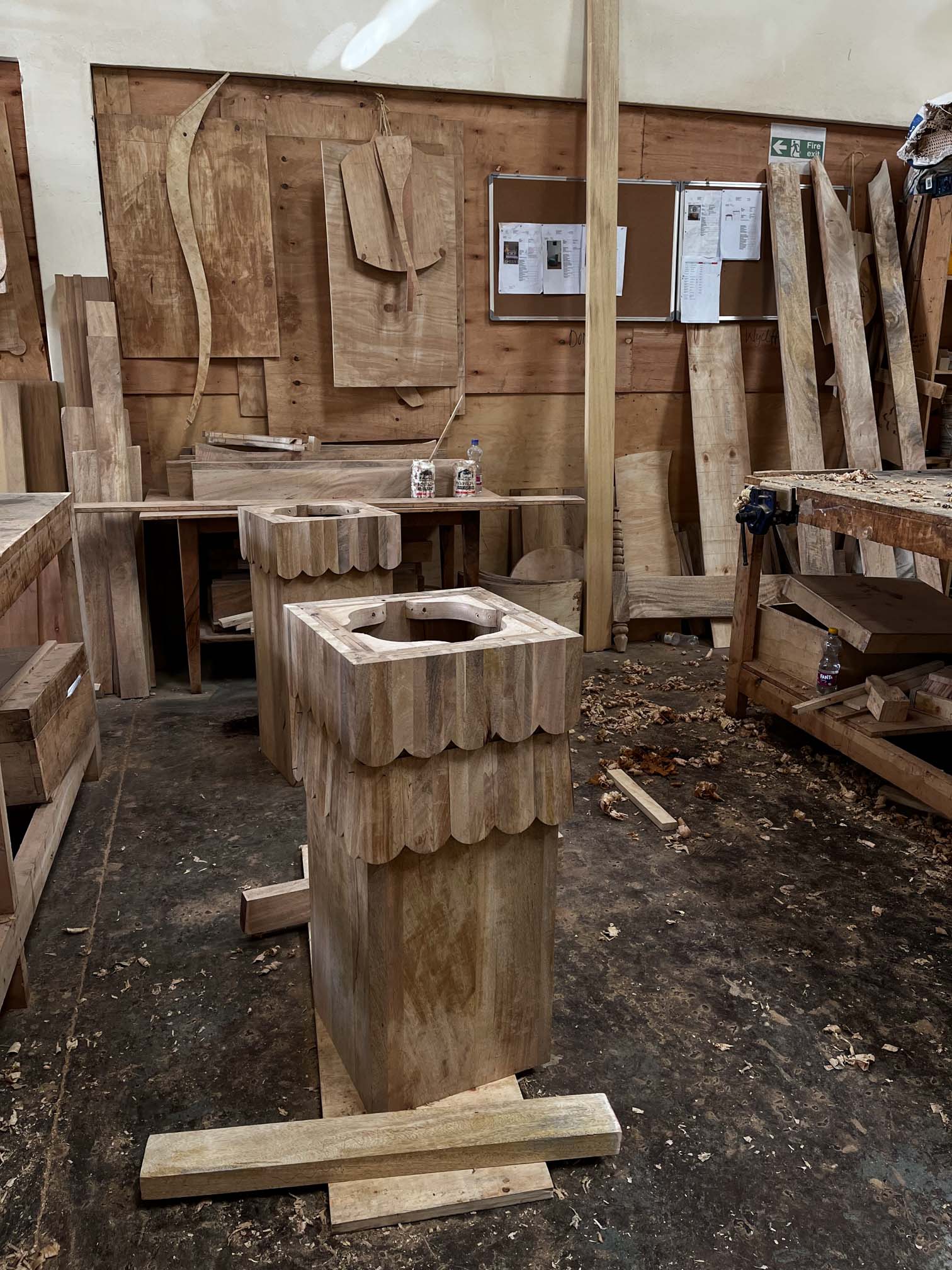
Cherie: Seeing a design piece come to life. There’s something special about visualising an image in your head and then seeing it materialise.
YLA: Do you have a favourite era of design, and why?
Cherie: I love 1970s mid-century modern design, as well as indigenous Ugandan architecture, like Buganda huts. Their design and technical skill are incredible.