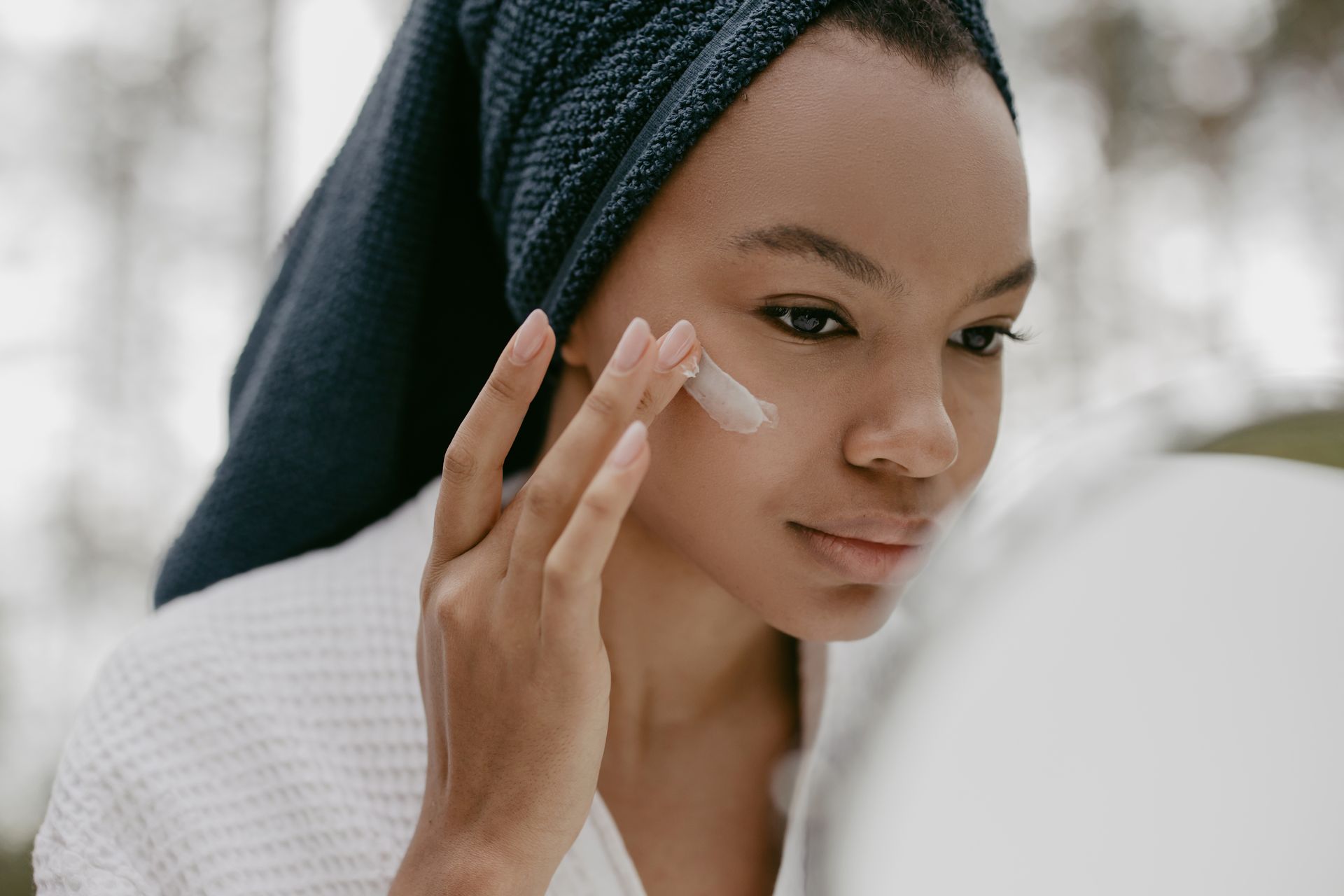
If you’ve been scrolling through #BeautyTok lately, you’ve probably noticed that barrier creams are having a major moment. Creators are slathering on thick, balmy formulas and swearing by their skin-transforming powers. And the hype is justified.
Barrier repair creams are not just another fleeting trend. They are genuinely one of the most effective tools we have for maintaining healthy, resilient skin. And here in South Africa, as winter settles in with its biting winds and dry indoor heating, they are nothing short of essential.
So, let’s break down what barrier creams actually are, why your skin needs one right now, and how to use them effectively.
What Exactly Is a Barrier Cream?
A barrier cream is a topical product applied to the skin’s surface to help maintain its physical protective layer. Think of it as a shield. It creates a defensive film that locks moisture in while keeping irritants, allergens, and environmental aggressors out.
This is crucial because your skin barrier is your body’s first line of defence. When it’s functioning properly, your skin looks plump, smooth, and glowy. When it’s compromised, everything falls apart.
Barrier creams come in various forms. You will find them as rich creams, ointments, pastes, and even sprays. They are typically applied sparingly and reapplied as needed, and they can persist on the skin for several hours, even after gentle washing. This longevity is what makes them so effective, particularly in harsh conditions.
The Case for Barrier Creams
Winter in South Africa can be brutal on the skin. The drop in temperature, combined with low humidity levels, sucks moisture out of the epidermis. Indoor heating makes matters worse, creating a parched environment that leaves skin feeling tight, flaky, and irritated. If you are already dealing with sensitivity, eczema, or reactive skin, the colder months can feel like a full-blown crisis.
This is where barrier creams come to the rescue. They work by reinforcing the skin’s natural lipid layer, preventing transepidermal water loss, which is the technical term for moisture evaporating from your skin into the air. By sealing that moisture in, barrier creams help alleviate the tightness, stinging, and flaking that plague us during winter.
Beyond Winter
While winter is a primary culprit, it is not the only reason your barrier might be struggling. A compromised skin barrier can result from a variety of factors, including:
- Over-exfoliation with acids or retinoids
- Over-cleansing, especially with harsh foaming cleansers
- Hot showers that strip natural oils
- Frequent hand washing or contact with water
- Exposure to harsh chemicals or irritants in skincare or household products.
Barrier creams are also invaluable for managing specific skin conditions. They are particularly useful in managing hand dermatitis caused by contact with harsh chemicals, frequent hand washing, or repetitive friction.
They can help soothe napkin dermatitis, also known as diaper rash, caused by contact with urine and faeces in babies and adults with incontinence.
They are also beneficial for stoma dermatitis, as they protect skin from body fluids and stoma appliances. Small amounts of these creams do not reduce dressing adhesion, making them particularly useful in this context.
Additionally, barrier creams are commonly used in occupational settings. They can make it easier to remove paint, glue, or sealant from hands during or after industrial work without the need for harsh solvents.
And if you are prone to pressure sores, these creams can offer a protective layer against friction and moisture.
Important Considerations
Barrier creams are generally very well tolerated, but they are not without potential issues. Although uncommon, some people may experience allergic contact dermatitis caused by ingredients such as preservatives and fragrances. It is always wise to patch-test a new product before applying it to a large area.
Most barrier creams should not be applied directly to broken, open skin. If you have a wound or an active infection, consult a healthcare professional before using these products.
Also, while barrier creams are great for the body, be cautious about using heavy, occlusive formulas on your face if you are prone to acne, as they can trap bacteria and sebum.
Invest in Your Skin
If your skin is feeling tight, reactive, or inflamed this winter, a barrier cream could be the answer. These heavy-duty moisturisers are designed to repair dryness and cracking, reinforce your skin’s natural defences, and restore comfort.
Whether you are dealing with seasonal dryness, post-procedure sensitivity, or a chronic condition like eczema, incorporating a barrier cream into your routine can make a world of difference.
So yes, #BeautyTok is onto something. But don’t just buy the first viral product you see. Consider your skin type, your specific concerns, and whether a petroleum- or silicone-based formula will serve you best.
Your skin will thank you for the extra layer of protection this winter.