

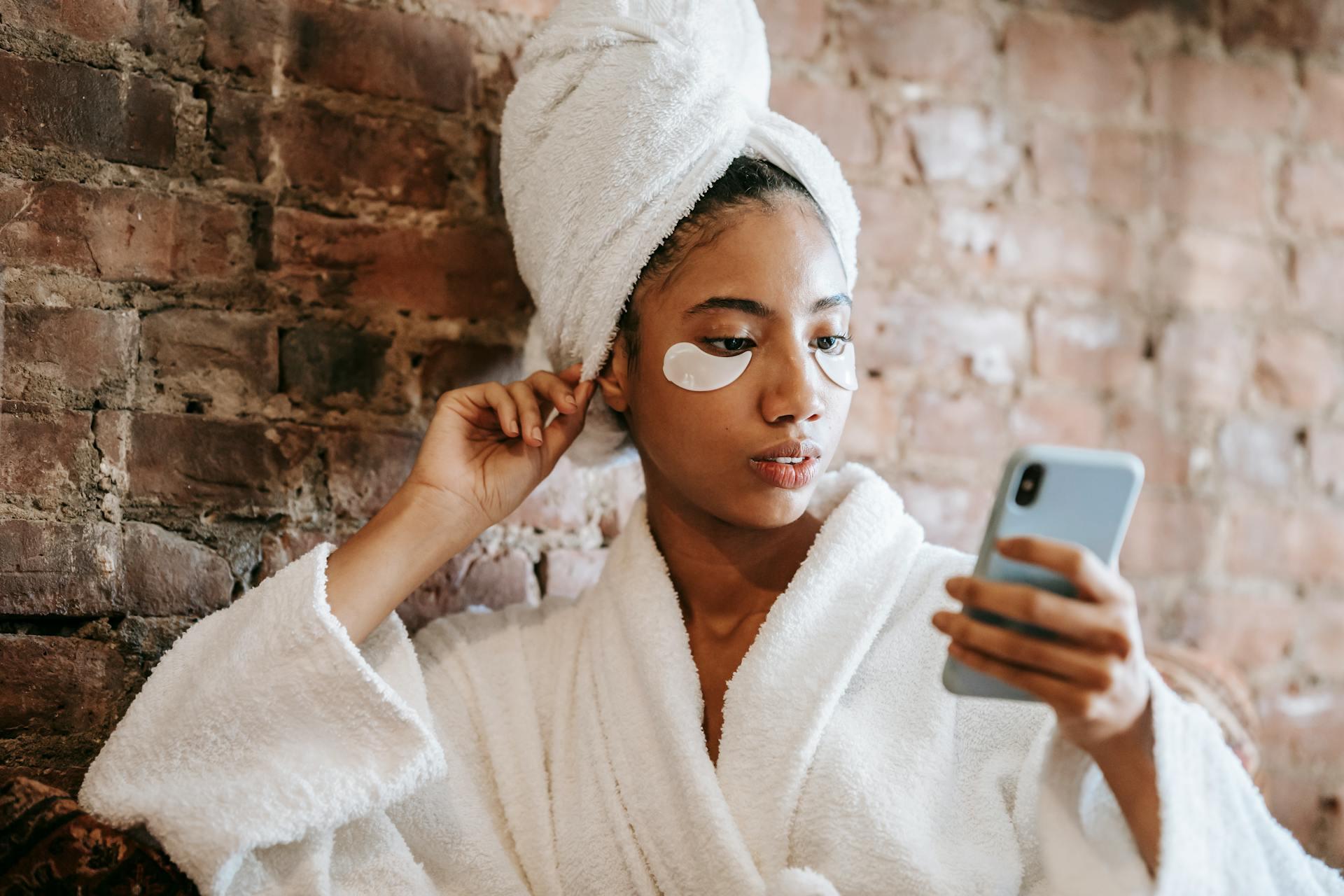
The beauty business stands at what many insiders describe as an “inflection point”, as artificial intelligence rapidly becomes a new benchmark of luxury. For South African beauty consumers seeking the finest in personalised care, 2026 promises AI not merely as a tool, but as an indispensable beauty partner.
This shift is already well underway. L’Oréal’s $383 million beauty-tech AI hub in India signals how seriously the industry is investing in this transformation. Announcing the initiative at the World Economic Forum in Davos, CEO Nicolas Hieronimus described the hub as the company’s “global powerhouse”, designed to unlock the potential of data, artificial intelligence, generative AI, and genetic AI alongside emerging technologies.
In practice, this could look like more sustainable formulations, hyper-personalised product recommendations, and virtual try-ons that eliminate much of the guesswork associated with online shopping.
Imagine pointing your phone at your face and receiving a comprehensive skin analysis comparable to a dermatology consultation. Advanced systems now in development can detect everything from early signs of hyperpigmentation to subtle dehydration patterns invisible to the naked eye. Some of these technologies are already in use at companies like Beiersdorf.
“This shift has created a powerful opportunity to rethink how skincare is discovered and supported in a world where routines move with people,” notes Angela Nxumalo, Shopper and CM Manager at Nivea South Africa. “Whether someone is preparing for a long-haul flight, escaping to the coast, or adjusting to different climates between cities, digital touchpoints now help keep their skincare consistent and reliable.”
For South African skin, uniquely challenged by intense UV exposure and varied climates, from Cape Town’s coastal winds to Johannesburg’s dry highveld, this technology offers unprecedented insight.
“More than ever, consumers want personalised advice, even when shopping online,” Angela adds. “They want reassurance that the products they choose truly match their skin type, concerns, and the environments they may encounter, such as dry cabin air, coastal humidity, or intense sun.”
The luxury lies in specificity.
Rather than offering generic product recommendations, these AI-driven systems can assess your skin’s current condition alongside environmental factors, hormonal cycles, and even stress levels, suggesting exactly what your complexion needs today — not in theory, but in real time.
An anticipatory beauty concierge
The next evolution of this technology is expected to go beyond analysis. Agentic AI systems are forecast to function as personal beauty strategists, learning individual preferences, tracking product usage, and predicting when replenishment will be needed.
These intelligent agents may also notice how seasonal changes affect the skin, proactively adjusting routines, and even flagging potential reactions before new products are introduced.
For time-pressed professionals who value results and convenience, this represents the ultimate luxury: beauty care that thinks ahead.
A longevity lab in your home
Perhaps most exciting is the rise of at-home devices enhanced by predictive technology.
This includes LED masks that adjust wavelengths in real time to meet evolving skin needs, microcurrent devices that map facial contours to customise lifting patterns, and cleansing systems that measure skin pH and automatically modify water temperature and pressure.
Together, these innovations support a broader shift toward prevention and optimisation rather than correction — a direction that resonates with consumers increasingly focused on graceful ageing and skin health over quick fixes.
The beauty industry’s AI revolution shouldn’t be considered a push to replace human expertise or diminish the sensory pleasure of luxury products. Rather, think about it as a chance to enhance both — applying precision intelligence to ensure every rand spent is more effective, every routine more targeted, and every result more transformative.


